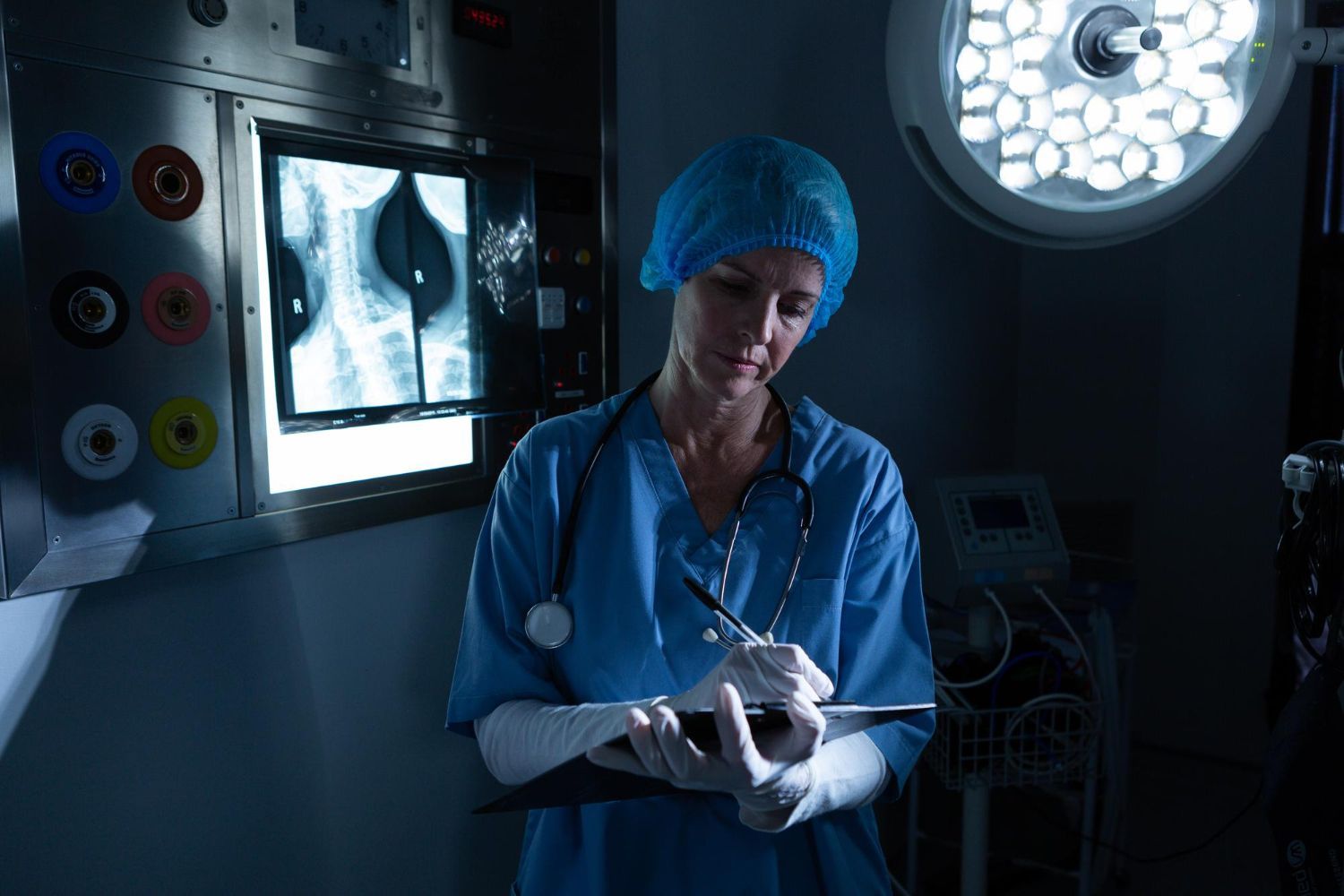

Why experience matters in high pressure surgical environments

June 22, 2026

Operating theatres are among the most demanding environments in healthcare. Every decision, action and interaction can have a direct impact on patient outcomes. Across Australia, hospitals are placing increasing importance on experience when selecting staff for surgical roles.

While training and qualifications are essential, real world experience plays a crucial role in ensuring that procedures are carried out safely and efficiently.

Dispatch Nursing Agency provides experienced theatre nurses who are equipped to perform in these high pressure environments.

Understanding the complexity of surgical environments

Surgical settings involve a wide range of procedures, each with its own requirements and risks. These environments demand:

  • precise coordination
  • quick decision making
  • strong communication
  • attention to detail

Experience helps professionals navigate these complexities with confidence.

Decision making under pressure

In operating theatres, situations can change rapidly. Unexpected complications may arise, requiring immediate response from the team.

Experienced professionals are better equipped to:

  • assess situations quickly
  • make informed decisions
  • respond effectively to challenges

Their ability to remain calm under pressure is critical.

Reducing risk and improving outcomes

Experience contributes directly to patient safety. Professionals who have worked in surgical environments are more familiar with procedures, equipment and potential risks.

This familiarity helps reduce the likelihood of errors and improves overall outcomes.

Confidence and competence go hand in hand.

Supporting efficient workflow

Experienced theatre nurses understand how operating theatres function. They can anticipate needs, prepare equipment and coordinate with team members effectively.

This helps:

  • reduce delays
  • improve efficiency
  • maintain smooth workflow

Efficiency is essential in high pressure settings.

Enhancing teamwork and communication

Experience also plays a role in improving teamwork. Professionals who have worked in similar environments are more comfortable communicating and collaborating with colleagues.

They understand the importance of clear communication and can adapt to different team dynamics.

Strong teamwork improves performance.

Training versus real world exposure

While training provides essential knowledge, real world exposure is what prepares professionals for the realities of the job. Experience allows individuals to apply their skills in practical situations and develop confidence.

Both training and experience are important, but experience often determines how effectively skills are used.

Practical knowledge is invaluable.

Building trust within healthcare teams

Hospitals rely on experienced staff to maintain high standards of care. Teams are more likely to trust professionals who have demonstrated consistent performance in demanding environments.

This trust contributes to better collaboration and improved outcomes.

Reliability is built through experience.

The Dispatch Nursing Agency approach

Dispatch Nursing Agency focuses on providing experienced theatre nurses who can perform effectively in high pressure environments. Our professionals bring both technical expertise and practical experience to every placement.

We ensure that healthcare providers have access to staff who can deliver high quality care.

Conclusion

Experience is a critical factor in high pressure surgical environments. It enhances decision making, improves efficiency and supports patient safety.

Dispatch Nursing Agency remains committed to supplying experienced theatre nurses who contribute to successful surgical outcomes and high standards of care.


last minute staffing gaps
June 22, 2026
Operating theatres require precise coordination and planning. However, across Australia, hospitals frequently face last minute staffing gaps that can disrupt surgical schedules. These gaps may arise due to unexpected absences, increased demand or workforce shortages. Managing these challenges effectively is essential to maintaining patient care and operational efficiency. Dispatch Nursing Agency supports hospitals by providing rapid staffing solutions that ensure continuity in operating theatre services. Understanding staffing gaps in operating theatres Staffing gaps can occur for various reasons, including: sudden illness or leave emergency situations increased patient demand workforce shortages These situations often arise with little notice, requiring immediate action. Without adequate staffing, surgical procedures may be delayed or cancelled. The impact of staffing shortages on hospitals Staffing gaps can have significant consequences for healthcare providers. These include: disruption to surgical schedules increased pressure on existing staff potential delays in patient care In some cases, hospitals may need to reschedule procedures, which can affect both patients and operational efficiency. Maintaining adequate staffing levels is critical. The importance of rapid response staffing To address last minute gaps, hospitals rely on rapid response staffing solutions. This involves accessing qualified professionals who can step into roles quickly and effectively. Rapid response staffing ensures that: operating theatres remain functional procedures can proceed as planned patient care is not compromised Speed and reliability are key factors in these situations. The role of agency nurses Agency nurses play a vital role in filling staffing gaps. They are trained professionals who can adapt to new environments and integrate into teams quickly. Their ability to step in at short notice helps hospitals maintain continuity of care. Agency nurses provide flexibility that permanent staffing models may not offer. Maintaining quality and safety standards While addressing staffing gaps quickly is important, maintaining quality and safety standards is equally critical. Hospitals must ensure that all staff, including agency nurses, meet required competencies and qualifications. This ensures that patient care remains consistent regardless of staffing changes. Quality cannot be compromised. Supporting existing teams When staffing gaps occur, existing staff may need to take on additional responsibilities. This can lead to fatigue and reduced efficiency. By bringing in additional support, hospitals can: reduce workload pressure maintain team morale ensure consistent performance Supporting staff is essential for sustainable operations. Planning for workforce flexibility Hospitals are increasingly recognising the need for flexible workforce strategies. This includes building relationships with staffing agencies and maintaining access to a pool of qualified professionals. Proactive planning helps organisations respond more effectively to unexpected challenges. Flexibility is key to resilience. The Dispatch Nursing Agency approach Dispatch Nursing Agency specialises in providing theatre nurses who are ready to respond to urgent staffing needs. Our professionals are experienced, adaptable and prepared to integrate into operating theatre environments quickly. We help hospitals manage staffing challenges without compromising on quality or safety. Conclusion Managing last minute staffing gaps in operating theatres is a critical challenge for healthcare providers. By utilising rapid response staffing solutions and working with experienced agency nurses, hospitals can maintain continuity and ensure patient care remains uninterrupted. Dispatch Nursing Agency remains committed to supporting healthcare providers with reliable and responsive staffing solutions.
teamwork in operating theatres
June 22, 2026
Operating theatres are high pressure environments where precision, timing and coordination are critical. Across Australia, hospitals are placing increasing emphasis on teamwork as a key factor in ensuring patient safety. While individual skill is essential, it is the collective performance of the surgical team that ultimately determines outcomes. Dispatch Nursing Agency supports healthcare providers by supplying experienced theatre nurses who understand the importance of teamwork in delivering safe and effective care. Understanding teamwork in operating theatres An operating theatre involves a multidisciplinary team that typically includes surgeons, anaesthetists, theatre nurses and support staff. Each member has a specific role, but their responsibilities are closely interconnected. Teamwork in this setting means: clear communication between all members understanding individual roles and responsibilities responding quickly to changing situations maintaining focus under pressure When these elements are aligned, procedures can be carried out safely and efficiently. The link between teamwork and patient safety Patient safety is directly influenced by how well a team works together. Even small communication gaps or misunderstandings can lead to errors that affect outcomes. Strong teamwork helps: reduce the risk of surgical errors ensure correct procedures are followed maintain consistency throughout the operation Safety is not just about protocols. It is about how effectively teams implement them. Coordinating under pressure Operating theatres often involve complex procedures that require quick decision making. Unexpected situations can arise, requiring immediate response from the entire team. In these moments, teamwork becomes even more critical. Team members must trust each other, communicate clearly and act quickly to manage the situation. Effective coordination ensures that challenges are addressed without compromising patient safety. The role of theatre nurses in teamwork Theatre nurses play a central role in maintaining coordination within the operating theatre. They act as a link between different team members, ensuring that processes run smoothly. Their responsibilities include: preparing equipment and instruments supporting the surgical team during procedures monitoring patient safety facilitating communication Their ability to anticipate needs and respond quickly contributes significantly to team performance. Reducing errors through collaboration Many surgical errors can be traced back to breakdowns in communication or coordination. A strong team culture helps prevent these issues by encouraging collaboration and accountability. Practices such as: pre procedure briefings clear role allocation post procedure reviews help ensure that everyone is aligned and aware of their responsibilities. Collaboration creates a safer environment. Building trust within surgical teams Trust is an essential component of effective teamwork. Team members must have confidence in each other’s abilities and judgement. This trust is built through: consistent performance open communication mutual respect When trust is present, teams are more likely to function effectively, even in high pressure situations. The impact on overall healthcare outcomes Strong teamwork in operating theatres does not only improve individual procedures. It contributes to better overall healthcare outcomes by: reducing complications improving recovery times enhancing patient confidence Hospitals that prioritise teamwork are better positioned to deliver high quality care. The Dispatch Nursing Agency approach Dispatch Nursing Agency provides theatre nurses who are experienced in working within collaborative environments. Our professionals understand the importance of teamwork and are equipped to integrate quickly into surgical teams. We focus on supporting healthcare providers with staff who contribute to both safety and efficiency. Conclusion Teamwork in operating theatres is a critical factor in ensuring patient safety and successful outcomes. By fostering strong collaboration, clear communication and mutual trust, healthcare providers can reduce risks and improve performance. Dispatch Nursing Agency remains committed to supplying skilled theatre nurses who support effective teamwork and high standards of care
continuous learning
May 18, 2026
Healthcare is an ever evolving field where new technologies, techniques and best practices are constantly emerging. For theatre nursing professionals, staying updated is essential for maintaining high standards of care. Across Australia, continuous learning has become a key component of professional development within surgical environments. Dispatch Nursing Agency supports theatre nurses who are committed to ongoing growth and excellence. Understanding the importance of continuous learning Theatre nursing requires specialised knowledge that must be updated regularly. Advances in surgical procedures, equipment and infection control practices mean that professionals must adapt to new standards. Continuous learning ensures that nurses remain competent and confident in their roles. Staying informed supports better patient outcomes. Adapting to technological advancements Modern operating theatres rely on advanced technology to support surgical procedures. Theatre nurses must be familiar with new equipment and systems to perform their roles effectively. Training and development programs help professionals stay up to date with these advancements. Adaptability is essential in evolving environments. Enhancing clinical skills Ongoing education allows theatre nurses to refine their clinical skills and expand their expertise. This may include learning new techniques or gaining experience in different types of procedures. Improved skills contribute to higher levels of confidence and performance. Professional growth supports career development. Supporting patient safety and quality care Continuous learning is directly linked to patient safety. Nurses who are aware of the latest practices are better equipped to maintain sterile environments and respond to potential risks. Knowledge ensures that care is delivered according to current standards. Quality care depends on well informed professionals. Encouraging career progression Theatre nursing offers opportunities for career advancement, including leadership roles and specialised positions. Continuous learning helps professionals prepare for these opportunities. Investing in development allows nurses to build long term careers within healthcare. Growth benefits both individuals and organisations. The Dispatch Nursing Agency approach Dispatch Nursing Agency values theatre nurses who are committed to learning and development. We connect healthcare providers with professionals who bring updated knowledge and a dedication to excellence. Our focus is on supporting both professional growth and high quality care. Conclusion Continuous learning is essential for theatre nursing professionals who wish to maintain high standards and adapt to evolving healthcare environments. By staying informed and developing new skills, nurses can contribute to safer and more effective surgical care. Dispatch Nursing Agency remains committed to supporting professionals who strive for excellence in theatre nursing.
high volume surgical environments
May 18, 2026
Hospitals with high surgical volumes face unique challenges in maintaining efficiency while ensuring patient safety. Operating theatres must function seamlessly to manage multiple procedures each day. Across Australia, theatre nurses play a crucial role in supporting efficiency within these demanding environments. Dispatch Nursing Agency works with healthcare providers to supply theatre nurses who contribute to smooth and effective surgical operations. Understanding high volume surgical environments High volume surgical settings require careful planning and coordination. Multiple procedures may be scheduled back to back, leaving little room for delays. Efficient use of time and resources is essential to maintain productivity and meet patient demand. Theatre nurses are central to ensuring that these processes run smoothly. Preparing operating theatres effectively Preparation is a key factor in maintaining efficiency. Theatre nurses are responsible for ensuring that all necessary equipment and instruments are ready before procedures begin. This preparation reduces the likelihood of delays and allows surgical teams to focus on patient care. Organised environments support efficient workflows. Supporting quick transitions between procedures In high volume settings, the time between procedures must be minimised. Theatre nurses assist in cleaning, resetting and preparing operating rooms for the next case. Their ability to manage these transitions efficiently helps maintain surgical schedules. Smooth transitions contribute to overall productivity. Anticipating surgical needs Experienced theatre nurses can anticipate the needs of surgeons during procedures. This proactive approach reduces interruptions and allows surgeries to proceed without delays. Anticipation is developed through experience and strong understanding of surgical processes. Prepared teams perform more efficiently. Reducing downtime and delays Delays in operating theatres can have significant consequences, including extended waiting times for patients and increased pressure on staff. Theatre nurses help minimise downtime by ensuring that all processes are managed efficiently. Reducing delays improves both patient experience and operational performance. The Dispatch Nursing Agency commitment Dispatch Nursing Agency provides theatre nurses who are experienced in high volume environments. Our professionals understand the importance of efficiency and are prepared to support demanding surgical schedules. We focus on delivering staffing solutions that enhance productivity and maintain quality care. Conclusion Theatre nurses play a vital role in supporting efficiency within high volume surgical environments. Through preparation, coordination and proactive support, they help ensure that operating theatres function effectively. Dispatch Nursing Agency remains dedicated to providing skilled professionals who contribute to efficient and successful surgical services
communication in operating theatres
May 18, 2026
Operating theatres are high pressure environments where precision, coordination and timing are essential. While technical expertise plays a major role in surgical success, effective communication is equally important. Across Australia, healthcare providers are recognising that strong communication within surgical teams is critical for maintaining patient safety and achieving positive outcomes. Dispatch Nursing Agency supports hospitals by providing experienced theatre nurses who understand the importance of clear and effective communication in surgical settings. Understanding communication in surgical environments Operating theatres involve multiple professionals working together, including surgeons, anaesthetists, theatre nurses and support staff. Each team member has specific responsibilities, and effective communication ensures that these roles are coordinated seamlessly. Communication in this environment must be clear, concise and timely. Even small misunderstandings can lead to delays or errors. Strong communication helps ensure that procedures run smoothly. Reducing the risk of errors Clear communication plays a vital role in preventing mistakes during surgery. Confirming patient details, verifying procedures and ensuring that instruments are correctly prepared all rely on effective interaction between team members. Structured communication practices such as checklists and verbal confirmations help reduce the risk of errors. Accuracy is essential for patient safety. Supporting teamwork and coordination Surgical procedures require precise coordination. Theatre nurses often act as a link between different team members, ensuring that information flows effectively. When communication is strong, teams can anticipate needs and respond quickly to changes. Effective teamwork contributes to efficient and successful procedures. Managing high pressure situations Operating theatres can present unexpected challenges that require immediate response. In these situations, clear communication becomes even more important. Professionals must be able to share information quickly and make decisions collaboratively. Calm and structured communication helps manage pressure effectively. Enhancing patient confidence Although patients are not present during most of the procedure, the quality of communication within the surgical team directly impacts their outcomes. Well coordinated teams are more likely to deliver safe and efficient care, which contributes to better recovery experiences. Confidence in care begins with effective teamwork. The Dispatch Nursing Agency approach Dispatch Nursing Agency provides theatre nurses who are experienced in working within multidisciplinary teams. Our professionals understand the importance of communication and are prepared to contribute to collaborative environments. By focusing on both technical skill and interpersonal ability, we support hospitals in maintaining high standards of care. Conclusion Communication is a critical component of patient safety in operating theatres. By ensuring that information is shared clearly and efficiently, surgical teams can reduce risks and improve outcomes. Dispatch Nursing Agency remains committed to providing skilled theatre nurses who enhance communication, teamwork and overall surgical performance.
 theatre nurse recruitment
April 21, 2026
Surgical environments require professionals who possess specialised skills and experience. Recruiting the right theatre nurses is essential for maintaining high standards of care and ensuring that surgical teams operate effectively. Across Australia, healthcare providers are recognising the importance of specialised recruitment in building strong surgical teams. Dispatch Nursing Agency focuses on connecting hospitals with theatre nurses who bring the expertise required for demanding operating environments. Understanding the need for specialised skills Theatre nursing involves specific responsibilities that differ from other nursing roles. Professionals must understand surgical procedures, maintain sterile environments and respond quickly to changing conditions. These skills require targeted training and practical experience. General recruitment approaches may not always identify candidates with the necessary expertise. Specialised recruitment ensures that candidates meet the unique demands of theatre environments. Enhancing team coordination Surgical teams rely on precise coordination between all members. Theatre nurses who are experienced in operating environments can anticipate the needs of surgeons and contribute to smooth procedures. When teams are composed of skilled professionals, communication improves and tasks are completed efficiently. Effective coordination supports successful surgical outcomes. Reducing onboarding time Hiring experienced theatre nurses reduces the time required for onboarding and training. These professionals are already familiar with operating theatre protocols and can integrate quickly into teams. This allows hospitals to maintain productivity without delays. Quick integration benefits both patients and healthcare providers. Improving patient safety Patient safety is directly linked to the competence of the surgical team. Theatre nurses who understand infection control, equipment handling and patient monitoring contribute to safer procedures. Specialised recruitment helps ensure that these critical skills are present within the team. Safety remains a top priority in healthcare. Supporting long term workforce planning Healthcare providers benefit from recruitment strategies that focus on long term workforce stability. By identifying professionals who align with organisational needs, hospitals can build teams that remain consistent over time. Specialised recruitment supports both immediate and future staffing requirements. Strategic hiring strengthens healthcare systems. The Dispatch Nursing Agency approach Dispatch Nursing Agency specialises in recruiting theatre nurses who meet the high standards required in surgical environments. Our focus on expertise and reliability ensures that healthcare providers receive professionals who can contribute effectively from the beginning. We work closely with hospitals to understand their needs and deliver tailored staffing solutions. Conclusion Specialised theatre nurse recruitment plays a vital role in improving surgical team performance. By ensuring that professionals possess the right skills and experience, healthcare providers can maintain high standards of care and efficiency. Dispatch Nursing Agency remains committed to supporting hospitals with expert theatre nursing solutions that enhance both patient safety and operational success.
theatre nurses for patient recovery
April 21, 2026
While much attention is given to the surgical procedure itself, patient recovery is equally important in determining overall outcomes. Theatre nurses play a significant role not only during surgery but also in supporting patients as they transition through different stages of care. Across Australia, healthcare providers are recognising the broader impact of theatre nursing on patient recovery. Dispatch Nursing Agency works with theatre nurses who understand the importance of holistic patient care. Understanding the patient journey in surgery The surgical journey begins before the procedure and continues through recovery. Theatre nurses are involved in multiple stages, including preparation, intraoperative support and post operative care. Their role ensures that patients are monitored carefully and supported throughout each phase. Continuity of care contributes to positive recovery experiences. Preparing patients for surgery Before surgery, theatre nurses help prepare patients by ensuring that all necessary procedures are completed. This may include verifying patient information, preparing equipment and assisting with pre operative care. Clear communication helps patients understand what to expect, reducing anxiety and promoting confidence. Preparation sets the foundation for successful outcomes. Supporting recovery immediately after surgery After a procedure, patients are often transferred to recovery areas where theatre nurses continue to monitor their condition. Observing vital signs and responding to any changes are critical responsibilities during this stage. Prompt attention helps prevent complications and ensures that patients stabilise safely. Careful monitoring supports effective recovery. Providing reassurance and emotional support Surgery can be a stressful experience for patients. Theatre nurses provide reassurance through clear communication and compassionate care. Helping patients feel comfortable and informed contributes to a more positive recovery process. Emotional support is an important aspect of healthcare. Collaborating with broader healthcare teams Theatre nurses work closely with recovery nurses, doctors and other healthcare professionals to ensure continuity of care. This collaboration ensures that information is shared effectively and that patients receive consistent support. Teamwork plays a vital role in achieving successful outcomes. The Dispatch Nursing Agency commitment Dispatch Nursing Agency provides theatre nurses who are skilled not only in surgical support but also in patient care throughout the recovery process. Our professionals understand the importance of continuity and compassion in healthcare. We focus on delivering nurses who contribute to both clinical excellence and positive patient experiences. Conclusion Theatre nurses play a vital role in supporting patient recovery beyond the operating room. Through preparation, monitoring and compassionate care, they help ensure that patients experience safe and effective recovery. Dispatch Nursing Agency remains dedicated to supporting healthcare facilities with skilled theatre nurses who enhance patient outcomes at every stage of care.
Efficient operating theatre staffing f
April 21, 2026
Hospitals operate in highly structured environments where efficiency and precision are essential. Within these environments, operating theatres represent one of the most resource intensive and time sensitive areas. Across Australia, hospitals are recognising that efficient operating theatre staffing is critical not only for patient care but also for overall organisational performance. Dispatch Nursing Agency supports healthcare facilities by providing skilled theatre nurses who contribute to smooth and efficient surgical operations. Understanding the complexity of operating theatres Operating theatres require coordination between multiple professionals, including surgeons, anaesthetists, theatre nurses and support staff. Each role must function seamlessly to ensure that procedures are completed safely and on schedule. Even small disruptions in staffing can affect the entire surgical process. Delays in preparation or shortages of experienced personnel may lead to extended waiting times and reduced capacity. Efficient staffing ensures that all elements of the surgical process work together effectively. The impact of staffing on surgical schedules Surgical schedules are carefully planned to maximise the use of available resources. When staffing levels are insufficient, procedures may need to be postponed or rescheduled. This can create a backlog of cases and increase pressure on both patients and healthcare professionals. Having access to skilled theatre nurses allows hospitals to maintain consistent schedules and reduce delays. Timely procedures contribute to better patient outcomes. Supporting patient safety and care quality Patient safety is the highest priority in any surgical environment. Theatre nurses play a crucial role in maintaining sterile conditions, preparing equipment and monitoring patients throughout procedures. Adequate staffing ensures that these responsibilities are carried out effectively without unnecessary pressure on individuals. Well staffed teams are better able to maintain focus and adhere to safety protocols. Reducing pressure on surgical teams Healthcare professionals working in operating theatres often face demanding workloads. When staffing levels are inadequate, existing team members may experience increased stress and fatigue. Providing additional support through experienced theatre nurses helps distribute responsibilities more evenly. Balanced workloads contribute to improved staff wellbeing and performance. Enhancing hospital efficiency Efficient operating theatre staffing allows hospitals to optimise resource utilisation. When procedures are completed on time, facilities can accommodate more patients and improve overall service delivery. This efficiency also supports better financial performance by reducing downtime and maximising productivity. Effective staffing contributes to organisational success. The Dispatch Nursing Agency approach Dispatch Nursing Agency specialises in providing experienced theatre nurses who can integrate quickly into hospital environments. By understanding the specific needs of operating theatres, we ensure that our placements support both clinical and operational goals. Our focus is on delivering professionals who enhance efficiency and maintain high standards of care. Conclusion Efficient operating theatre staffing is essential for maintaining hospital performance, patient safety and surgical outcomes. By ensuring that skilled professionals are available when needed, healthcare facilities can operate smoothly and effectively. Dispatch Nursing Agency remains committed to supporting hospitals with reliable theatre nursing solutions that contribute to successful surgical services.
 theatre nursing
March 23, 2026
Theatre nursing is one of the most specialised and rewarding areas within the nursing profession. Professionals working in operating theatres play a crucial role in supporting surgical teams and ensuring that patients receive safe and effective care. Across Australia, theatre nurses are highly valued for their expertise and ability to work in demanding clinical environments. Dispatch Nursing Agency works with theatre nurses who are passionate about advancing their careers while contributing to excellent surgical care. Understanding theatre nursing as a career path Theatre nursing involves working within operating theatres to support surgical procedures. Nurses may specialise in different roles such as scrub nursing, circulating nursing or post anaesthetic recovery care. Each role requires specialised training and the ability to work closely with surgeons, anaesthetists and other healthcare professionals. This collaborative environment makes theatre nursing both challenging and rewarding. Developing essential skills Successful theatre nurses possess a range of technical and interpersonal skills. Attention to detail is essential when preparing surgical instruments and maintaining sterile environments. Communication skills are equally important, as theatre nurses must coordinate effectively with other members of the surgical team. Adaptability and quick decision making are also valuable qualities in operating theatre settings. Gaining specialised experience Many nurses begin their careers in general wards before transitioning into theatre environments. Additional training and clinical experience help professionals develop the specialised skills required for surgical settings. Exposure to different surgical procedures allows theatre nurses to expand their knowledge and strengthen their expertise. Continuous learning supports professional growth. Opportunities for career advancement Theatre nursing offers several pathways for career development. Experienced professionals may move into leadership roles such as theatre coordinators or clinical educators. Some nurses also choose to specialise further in specific surgical disciplines. These opportunities allow theatre nurses to continue developing their expertise while contributing to improved patient outcomes. How Dispatch Nursing Agency supports theatre nurses Dispatch Nursing Agency connects theatre nurses with opportunities that match their skills and career goals. By working with hospitals and healthcare facilities across Australia, we help professionals gain valuable experience in diverse surgical environments. Our goal is to support nurses who are dedicated to advancing their careers in operating theatre settings. Conclusion Theatre nursing offers a rewarding career for professionals who are passionate about surgical care and teamwork. By developing specialised skills and gaining experience, nurses can build fulfilling careers within this important field. Dispatch Nursing Agency remains committed to supporting theatre nurses by connecting them with opportunities that contribute to both professional growth and high quality patient care.
theatre nursing shortages
March 23, 2026
Hospitals across Australia continue to face challenges in recruiting and retaining experienced theatre nurses. As demand for surgical procedures grows, healthcare facilities must find ways to maintain adequate staffing levels while ensuring patient safety and operational efficiency. Dispatch Nursing Agency helps hospitals address these workforce challenges by providing access to skilled theatre nursing professionals. Understanding the demand for theatre nurses Advancements in medical technology and increasing healthcare needs have contributed to a rise in surgical procedures. This growth has increased demand for theatre nurses who possess specialised training and experience. However, recruiting permanent theatre staff can be difficult due to workforce shortages and high competition among healthcare facilities. Hospitals must explore flexible staffing strategies to maintain service levels. The impact of staffing shortages When operating theatres lack sufficient nursing staff, surgical schedules may be delayed or procedures postponed. This can affect patient care and place additional pressure on existing healthcare professionals. Overworked teams may also experience fatigue, which can affect morale and overall workplace wellbeing. Maintaining adequate staffing levels is essential for protecting both patients and staff. The benefits of flexible staffing solutions Flexible staffing solutions allow hospitals to respond quickly to workforce shortages. Temporary or contract theatre nurses can provide immediate support when permanent staff are unavailable. These professionals bring valuable expertise and adapt quickly to new environments, helping hospitals maintain consistent surgical services. Flexible staffing supports operational continuity. Supporting hospital workforce planning Healthcare providers must plan carefully to ensure that operating theatres remain adequately staffed. Recruitment partners can help identify skilled professionals who are ready to step into roles when needed. By working with experienced staffing agencies, hospitals gain access to broader networks of qualified theatre nurses. Strategic workforce planning reduces disruption. Dispatch Nursing Agency’s approach Dispatch Nursing Agency specialises in connecting hospitals with experienced theatre nurses who can support surgical teams during busy periods or staffing gaps. Our focus on reliability and clinical expertise ensures that hospitals receive professionals who are prepared for the demands of operating theatres. We work closely with healthcare providers to ensure that staffing solutions support both patient safety and operational efficiency. Conclusion Addressing theatre nursing shortages is essential for maintaining safe and efficient surgical services. Flexible staffing solutions help hospitals adapt to workforce challenges while protecting patient care. Dispatch Nursing Agency remains committed to supporting healthcare facilities with skilled theatre nurses who contribute to high quality surgical outcomes.