
How effective communication in operating theatres supports patient safety
Why communication matters in operating theatres
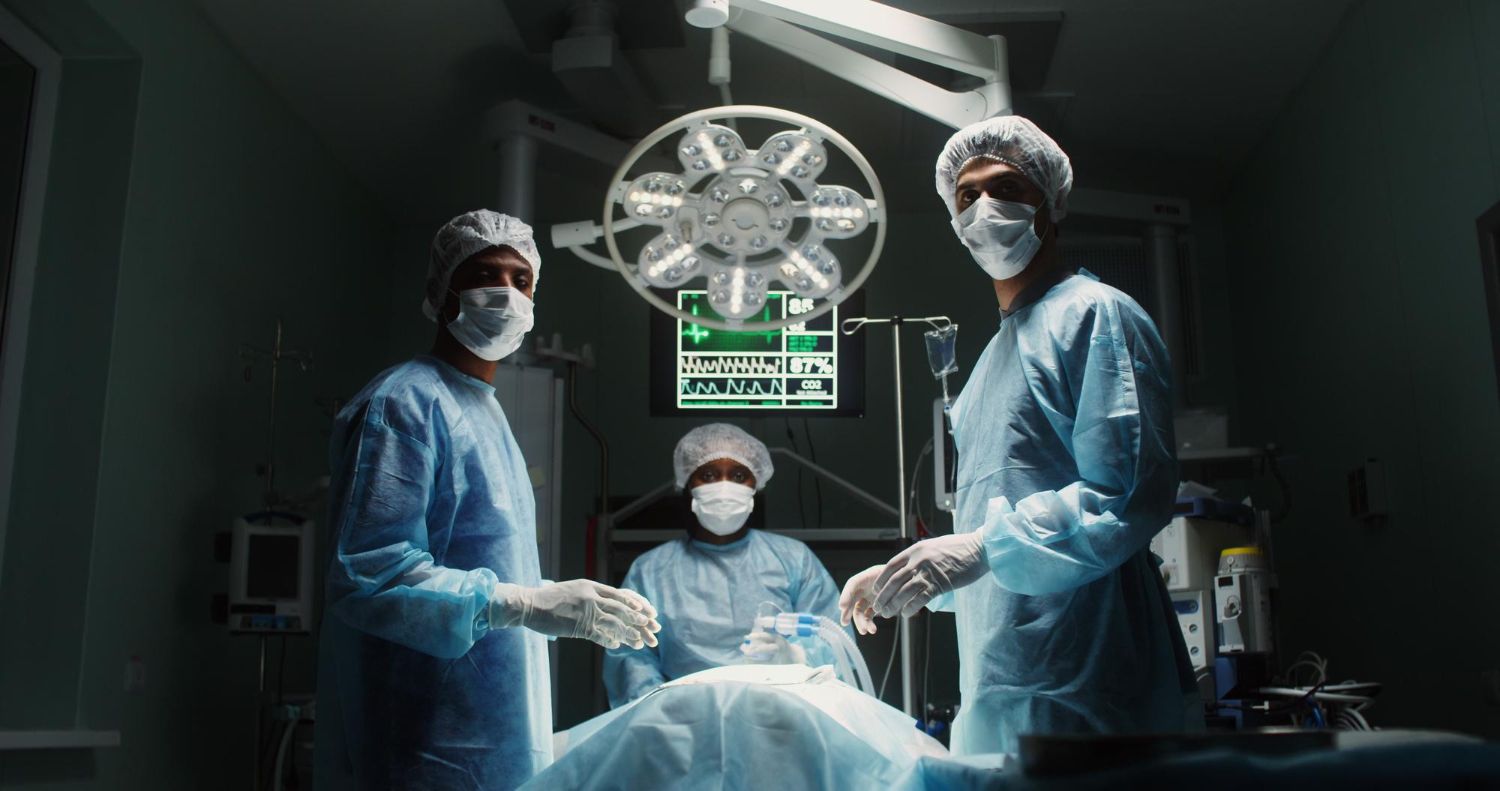
Operating theatres are complex clinical environments where multiple professionals must work together under time-sensitive conditions. Surgeons, anaesthetists, operating theatre nurses and other clinical staff each have specific responsibilities, and their decisions can directly influence patient safety.
In this environment, effective communication is essential. Team members need to share accurate information, clarify responsibilities and respond promptly when circumstances change.
For hospitals, strong communication practices are particularly important when managing complex procedures, busy surgical lists or changes in staffing. Even experienced professionals need clear processes to ensure that everyone understands the plan and their role within it.
Operating theatre nurses Australia play an important part in coordinating surgical activities, maintaining sterile conditions and helping ensure that essential information is communicated throughout the perioperative journey.
The role of theatre nurses in surgical team coordination
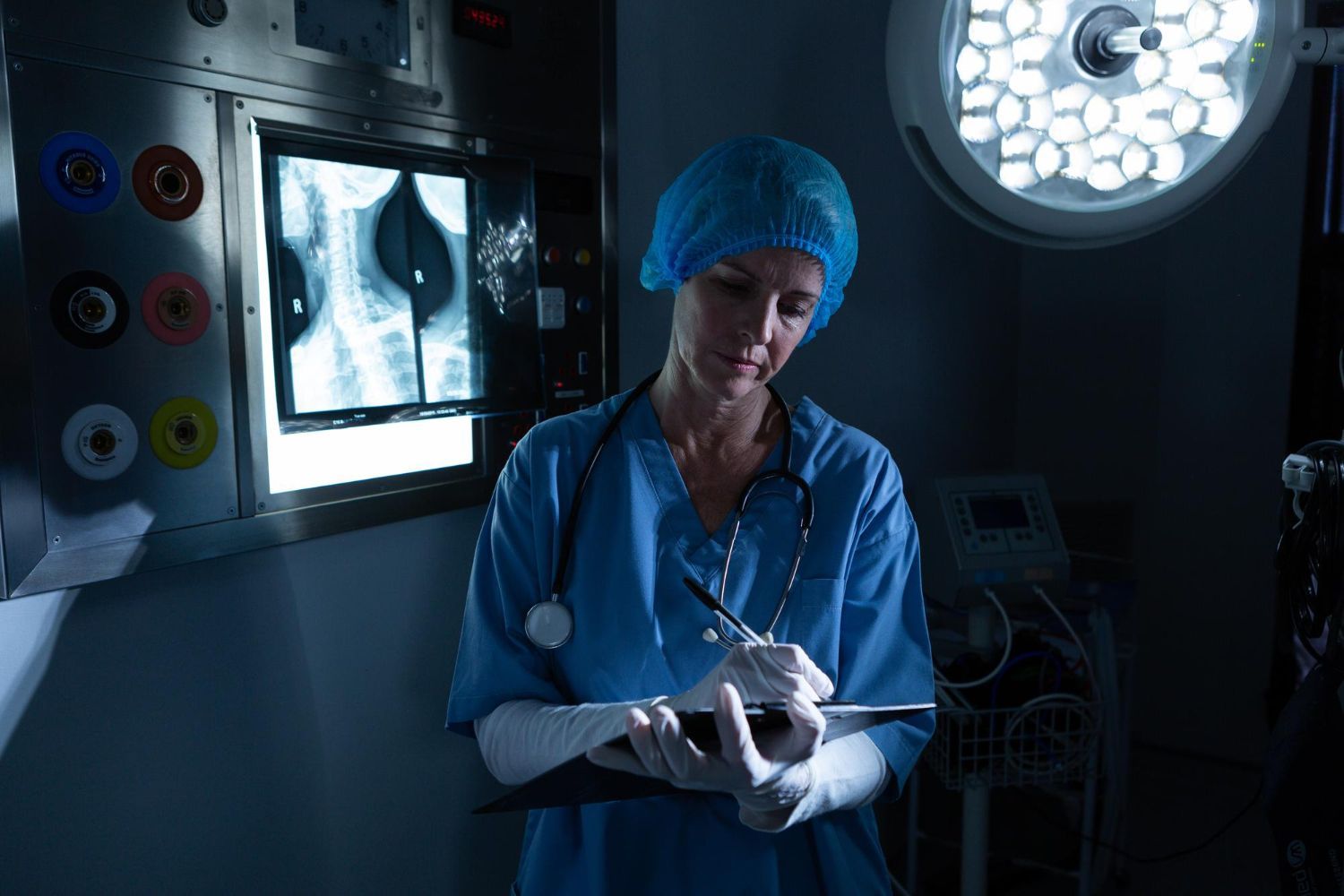
Operating theatre nurses contribute to patient care before, during and after surgical procedures. Their responsibilities vary according to their role, experience and the requirements of the clinical setting.
Scrub nurses work closely with the surgical team, managing sterile instruments and equipment and anticipating procedural requirements. Scout nurses, also known as circulating nurses, coordinate activities outside the sterile field, assist with equipment and supplies, and help maintain an organised operating environment.
Both roles require attention to detail and the ability to communicate clearly with colleagues.
For example, a scrub nurse may need to communicate an instrument requirement promptly, while a scout nurse may need to coordinate the delivery of additional equipment or relay information to other members of the team.
Clear communication helps minimise misunderstandings and supports the smooth progression of a procedure.
How structured briefings help prepare teams
Preparation begins before the patient enters the operating theatre.
Preoperative briefings give the team an opportunity to review the planned procedure, confirm responsibilities and identify potential challenges. These discussions can help establish a shared understanding of the clinical plan before work begins.
Depending on the procedure and local protocols, a briefing may cover:
- The patient's identity and planned procedure.
- Relevant clinical information and known risks.
- Equipment, instruments and consumables required.
- Individual responsibilities within the team.
- Anticipated challenges and contingency arrangements.
These discussions are particularly valuable when team members are unfamiliar with one another or when a surgical list involves several procedures.
A structured briefing also provides an opportunity to identify missing equipment, clarify uncertainties and address concerns before they affect the procedure.
Hospitals should ensure that briefings follow their established clinical governance procedures and that all relevant team members can contribute.
Maintaining communication during surgical procedures
Communication needs to continue throughout an operation, not just during the initial briefing.
Surgical requirements can change as a procedure progresses. Team members may need to respond to unexpected findings, equipment issues or changes in the patient's condition.
In these situations, information must be communicated clearly and acknowledged by the appropriate person.
Closed-loop communication, where a message is repeated or acknowledged to confirm understanding, can be useful for important instructions. For example, when an instrument or medication-related instruction is communicated, confirming that the message has been received can help reduce ambiguity.
Theatre nurses also contribute to safety through instrument counts, specimen handling, documentation and adherence to established checking procedures.
These responsibilities depend on accurate information sharing and clear accountability across the team.
Supporting safe handovers between clinical teams
Patient safety extends beyond the operating theatre itself. Information must be transferred appropriately when a patient moves from the operating room to recovery or another clinical area.
A structured handover helps ensure that receiving staff understand the procedure performed, relevant clinical events, immediate care requirements and any outstanding actions.
Depending on the circumstances, important information may include:
- The procedure completed and any significant intraoperative events.
- Relevant observations and clinical concerns.
- Medications administered and other information required for ongoing care.
- Wound, drain or device-related considerations.
- Postoperative instructions and required monitoring.
The handover should be clear, timely and consistent with the organisation's clinical protocols.
Theatre nurses help support this process by ensuring that relevant information is available and communicated to the receiving team.
Why staffing consistency and experience matter
Communication becomes more challenging when teams are unfamiliar with their colleagues, local procedures or equipment arrangements.
Operating theatres rely on coordinated working relationships, and staff need to understand how responsibilities are allocated within each clinical environment.
Experienced theatre nurses can contribute valuable knowledge of perioperative workflows, sterile practice, equipment requirements and surgical team coordination. However, experience alone does not remove the need for induction, clear communication and adherence to local policies.
Hospitals should ensure that nurses working in theatre environments have the appropriate qualifications, competencies and experience for their assigned responsibilities.
When temporary or agency staff are engaged, a structured orientation process is especially important. This should cover local procedures, documentation systems, escalation pathways and relevant equipment arrangements.
Appropriate staffing decisions and clear onboarding can help temporary professionals integrate into the clinical team more effectively.
Preparing theatre teams for busy surgical lists
Busy surgical lists require careful coordination between clinical staff, equipment services and other hospital departments.
Delays can arise when essential equipment is unavailable, responsibilities are unclear or changes to the operating schedule are not communicated effectively.
Theatre teams can prepare by reviewing the surgical list in advance, confirming equipment requirements and establishing clear processes for communicating schedule changes.
Staffing plans should also account for the experience and competencies required across the planned procedures.
For example, a list involving specialised surgical techniques may require nurses with relevant perioperative experience. Identifying these requirements early can help hospitals make more informed staffing decisions.
Regular communication between theatre managers, clinical teams and staffing coordinators helps ensure that workforce arrangements reflect the actual demands of the surgical schedule.
How Dispatch Nursing Agency supports theatre staffing
Dispatch Nursing Agency specialises in nursing recruitment for hospital environments, with a focus on operating theatre and specialist nursing requirements.
For hospitals seeking theatre nursing support, clear communication about the surgical setting, required competencies, assignment duration and expected responsibilities is essential.
Understanding these requirements helps establish a more targeted recruitment brief and supports the process of identifying appropriately experienced professionals.
Whether a hospital needs additional theatre nursing capacity for a planned surgical list or temporary support during a staffing gap, workforce planning should consider both availability and suitability for the clinical environment.
To discuss your hospital's theatre nursing requirements, visit Dispatch Nursing Agency.
Conclusion
Effective communication is fundamental to safe and coordinated operating theatre practice. From preoperative briefings and intraoperative coordination to postoperative handovers, every stage depends on accurate information sharing and clear responsibilities.
Theatre nurses contribute significantly to these processes through their clinical skills, attention to detail and collaboration with surgical teams.
For hospitals, supporting effective communication also means ensuring that staffing arrangements, competencies and local induction processes meet the demands of the operating environment.
By combining clear communication practices with appropriate theatre nursing support, healthcare organisations can strengthen team coordination and maintain a consistent focus on patient safety.