
Why specialised theatre nurses improve efficiency across the surgical team
Why theatre nurses are essential to surgical teams
An operating theatre is one of the most highly coordinated environments within a hospital. Every member of the surgical team has a defined role, and effective communication between those professionals is essential for procedures to run safely and efficiently.
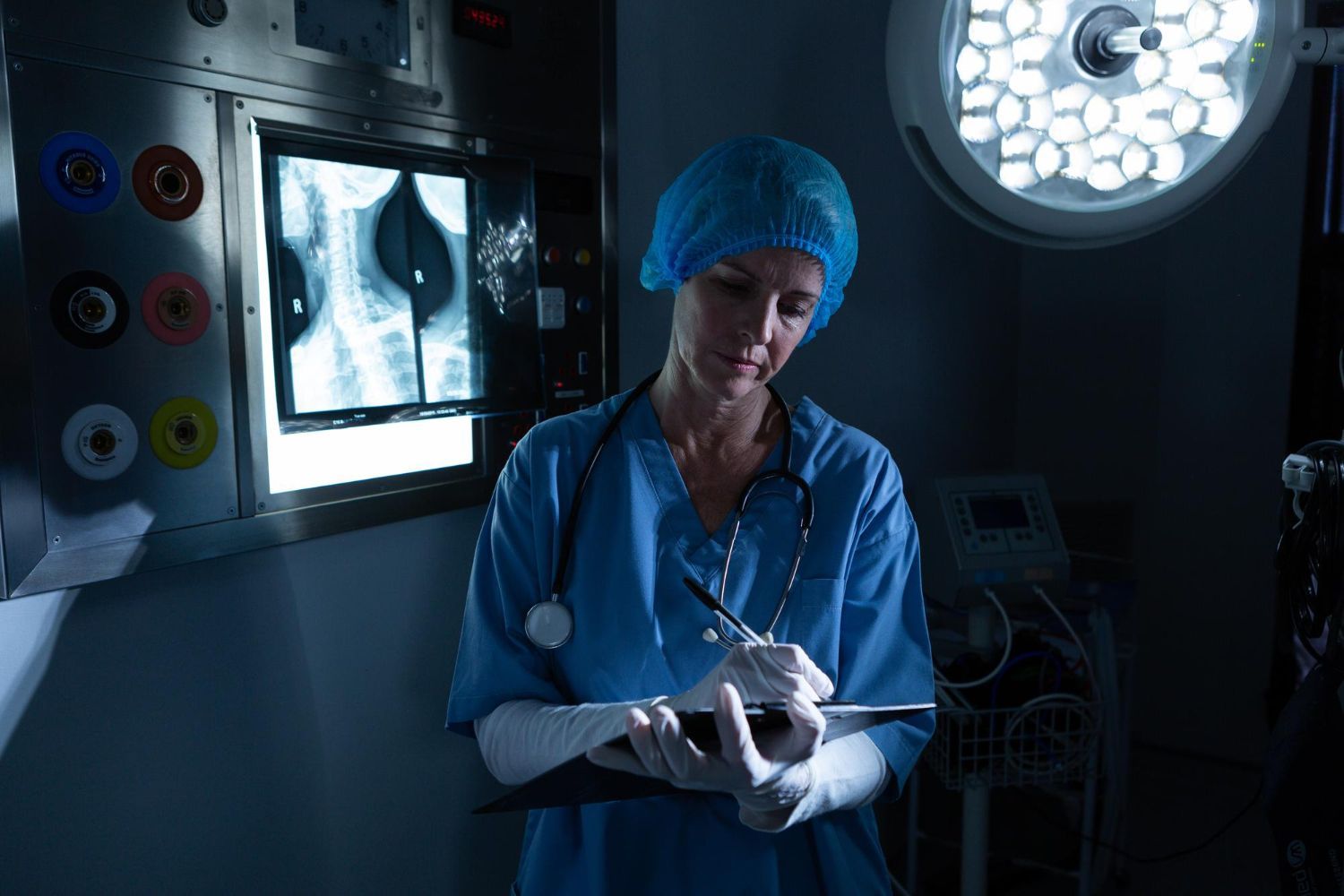
Theatre nurses Australia hospitals rely on bring specialist knowledge and practical experience to this environment. Their role extends beyond preparing equipment or assisting during procedures. Experienced theatre nurses contribute to planning, communication, patient care, infection prevention and the overall coordination of surgical activities.
For hospitals managing busy operating lists, having experienced operating theatre nurses can make a significant difference to how effectively the wider team works.
Specialist knowledge supports better preparation
Preparation is one of the most important aspects of theatre nursing.
Before a procedure begins, nurses need to understand the requirements of the operation and ensure the appropriate equipment, instruments and supplies are available.
Good preparation can help reduce:
- unnecessary delays
- equipment-related interruptions
- communication issues
- workflow disruption
- pressure on the surgical team
Experienced nurses often know what needs to be prepared before the procedure begins, helping the team work more efficiently.
Theatre nurses support effective teamwork
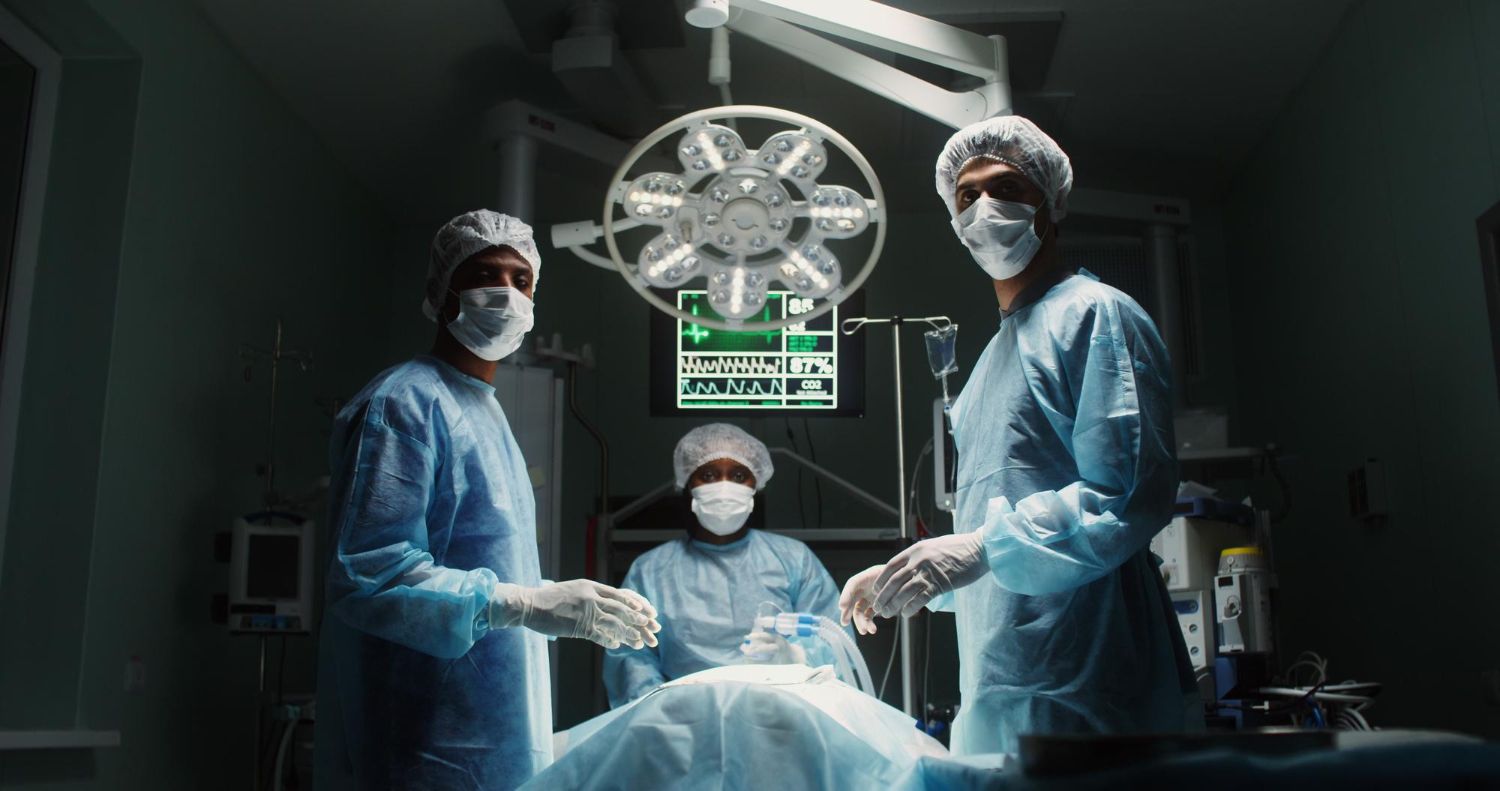
Surgical procedures involve multiple professionals working together.
A typical team may include:
- surgeons
- anaesthetists
- theatre nurses
- anaesthetic nurses
- operating department staff
- recovery nurses
- other healthcare professionals
Strong teamwork depends on clear communication and an understanding of each person's responsibilities.
Experienced operating theatre nurses are familiar with the pace and structure of surgical environments and can communicate effectively with different members of the team.
Understanding the scrub and circulating roles
Theatre nurses can take on different responsibilities within an operating theatre.
A scrub nurse works within the sterile field and is responsible for instruments and equipment used during the procedure.
A circulating nurse works outside the sterile field and helps coordinate the broader theatre environment.
Both roles require strong organisational skills and attention to detail.
Having professionals who understand these responsibilities can help surgical teams maintain an efficient workflow throughout the procedure.
Experience helps nurses anticipate what the team needs
Experienced theatre nurses often develop the ability to anticipate potential requirements before they become problems.
This may involve preparing additional equipment, recognising when supplies may be needed or understanding the next stage of a procedure.
This level of awareness comes from clinical experience and exposure to different surgical procedures.
For hospitals, having experienced theatre nurses Australia can therefore provide value beyond simply filling a rostered position.
Communication can reduce disruption
Communication is critical during surgery.
Theatre nurses may need to communicate information about:
- equipment
- instruments
- patient requirements
- surgical counts
- changes to procedures
- documentation
- safety concerns
Clear communication allows the team to respond quickly when circumstances change.
It can also help reduce confusion and ensure everyone understands what is happening at each stage of the procedure.
Supporting patient safety
Efficiency should never come at the expense of patient safety.
Experienced surgical nursing professionals understand the importance of following established protocols and maintaining high standards throughout a procedure.
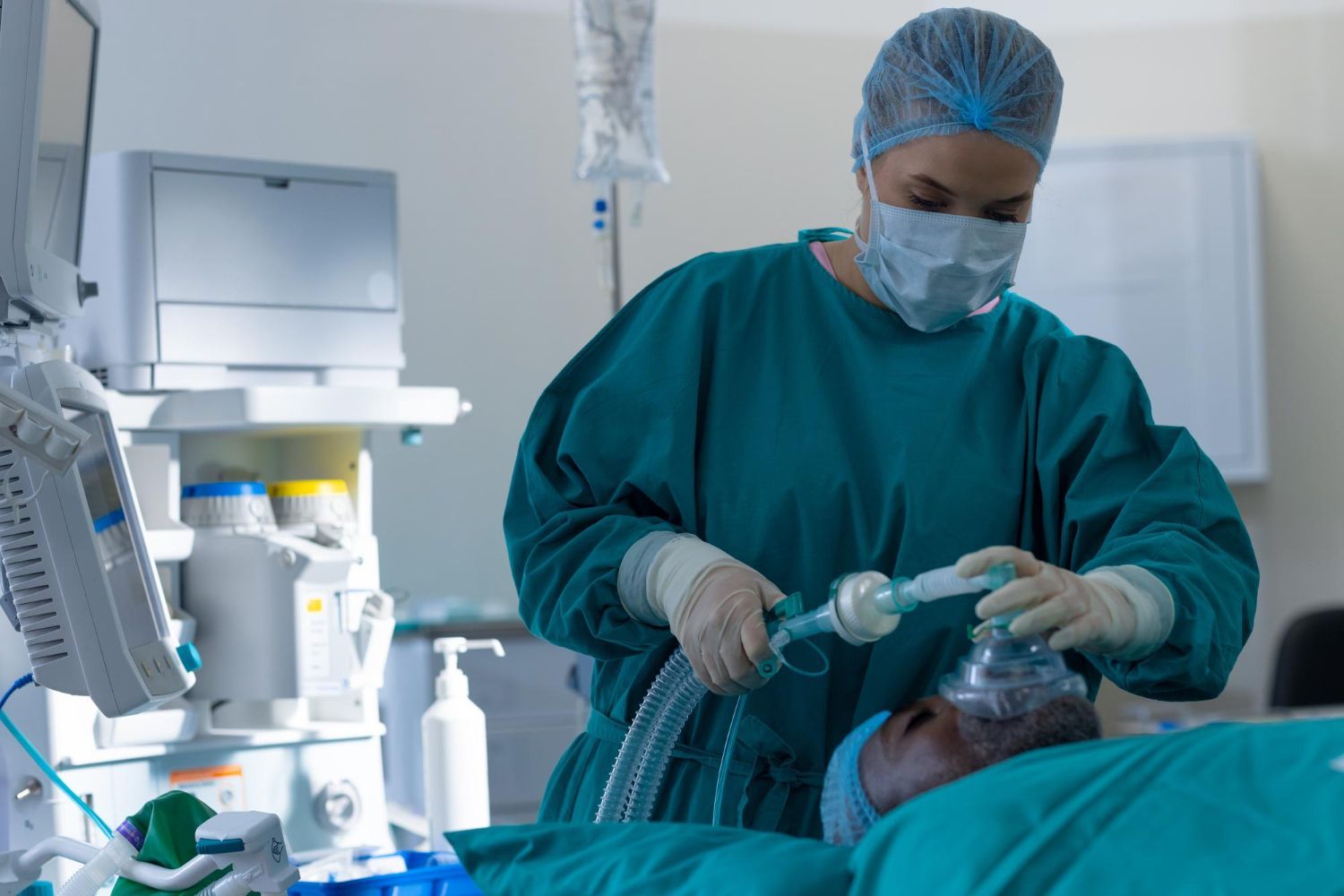
Their responsibilities may include supporting:
- patient identification
- infection prevention
- sterile technique
- surgical counts
- equipment preparation
- patient positioning
- documentation
These processes are fundamental to maintaining a safe operating environment.
Experienced nurses can support busy theatre schedules
Hospitals often manage complex operating lists with multiple procedures scheduled throughout the day.
Delays in one procedure can affect the wider schedule.
Experienced theatre nurse staffing can help hospitals maintain continuity when additional professionals are required.
This can be particularly valuable during:
- periods of high surgical demand
- planned staff leave
- unexpected absences
- workforce shortages
- theatre expansion
Having access to experienced nurses allows hospitals to respond without placing excessive pressure on existing teams.
Specialist staffing can provide greater flexibility
Healthcare workforce requirements can change quickly.
A hospital may need additional theatre nurses for a short period but not have enough permanent vacancies to justify expanding its full-time workforce.
Working with a specialist nursing agency can provide access to qualified professionals when additional capacity is required.
Flexible staffing can support both short-term and longer-term workforce planning.
The importance of matching the right nurse to the right theatre
Not every theatre environment is the same.
Different surgical specialties can require different levels of knowledge and experience.
Effective staffing should therefore consider:
- clinical background
- surgical experience
- specialty experience
- availability
- professional registration
- familiarity with theatre environments
Matching professionals appropriately can help nurses integrate more effectively into existing teams.
How Dispatch Nursing Agency supports surgical teams
Dispatch Nursing Agency specialises in hospital and theatre nursing, helping healthcare providers access experienced professionals when they need additional workforce support.
The agency understands that operating theatres require nurses who can work effectively within highly coordinated surgical teams.
Dispatch provides flexible staffing solutions for planned absences, unexpected shortages and longer-term workforce requirements.
By focusing specifically on theatre nursing, the agency can help hospitals identify professionals with relevant experience rather than relying on general recruitment approaches.
Building stronger surgical teams
A strong surgical team depends on more than having enough people on the roster.
It requires professionals with the right experience, communication skills and understanding of their roles.
Experienced theatre nurses contribute to this environment by supporting preparation, teamwork, patient safety and efficient workflows.
For hospitals, investing in specialist workforce planning and maintaining access to experienced professionals can help create more resilient operating theatre teams.
Conclusion
Experienced theatre nurses Australia hospitals rely on play an important role in maintaining efficient, safe and coordinated surgical environments. Their specialist knowledge, preparation, communication and ability to anticipate the needs of the surgical team can contribute significantly to overall theatre performance.
Effective theatre nurse staffing also gives hospitals greater flexibility when managing planned leave, unexpected shortages or increased surgical demand.
Dispatch Nursing Agency provides specialist theatre nursing and staffing solutions for healthcare organisations across Australia. By connecting hospitals with experienced operating theatre nurses, Dispatch helps surgical teams maintain the skilled workforce they need to deliver high-quality patient care and efficient theatre operations.