
How hospitals can strengthen perioperative care with experienced theatre nurses
The importance of perioperative nursing in hospitals
Surgical care involves much more than the procedure itself. Patients require appropriate preparation before surgery, coordinated clinical support during an operation and careful monitoring throughout their recovery.
Perioperative nurses play an important role across this journey. Their clinical knowledge, attention to detail and understanding of operating theatre procedures help surgical teams maintain organised workflows and follow established safety practices.
For Australian hospitals, having appropriately experienced perioperative nurses Australia is essential to supporting surgical services and managing the demands of increasingly complex clinical environments.
As surgical workloads change and hospitals work to maintain operating capacity, investing in suitable nursing expertise can help strengthen team coordination and support consistent patient care.
Understanding the role of perioperative nurses
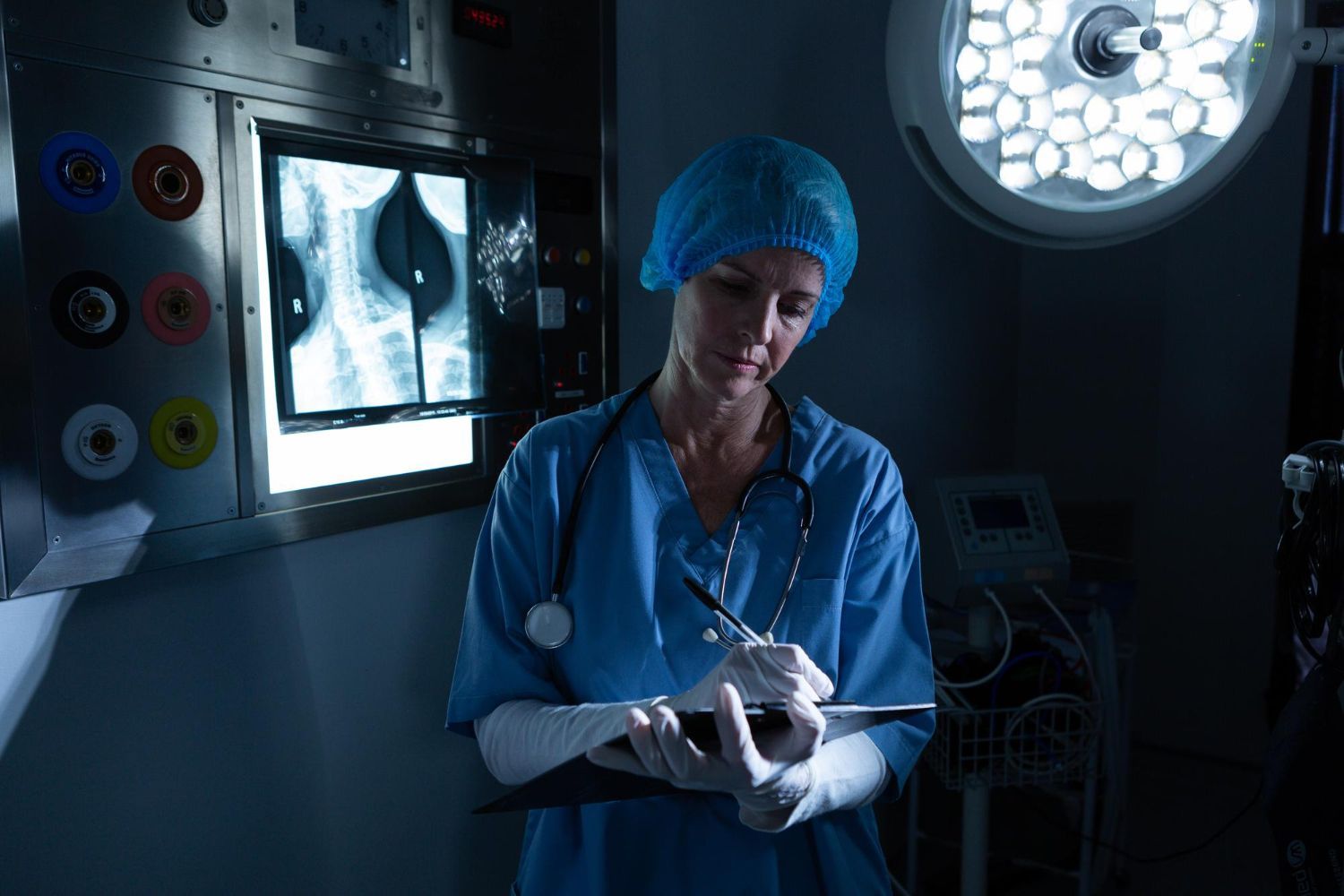
Perioperative nursing encompasses nursing care associated with surgical procedures, including preoperative preparation, intraoperative support and postoperative recovery.
The responsibilities of individual nurses depend on their qualifications, experience, assigned role and the hospital's clinical protocols.
Before surgery, nurses may help prepare patients, verify relevant information and ensure that required equipment and documentation are available.
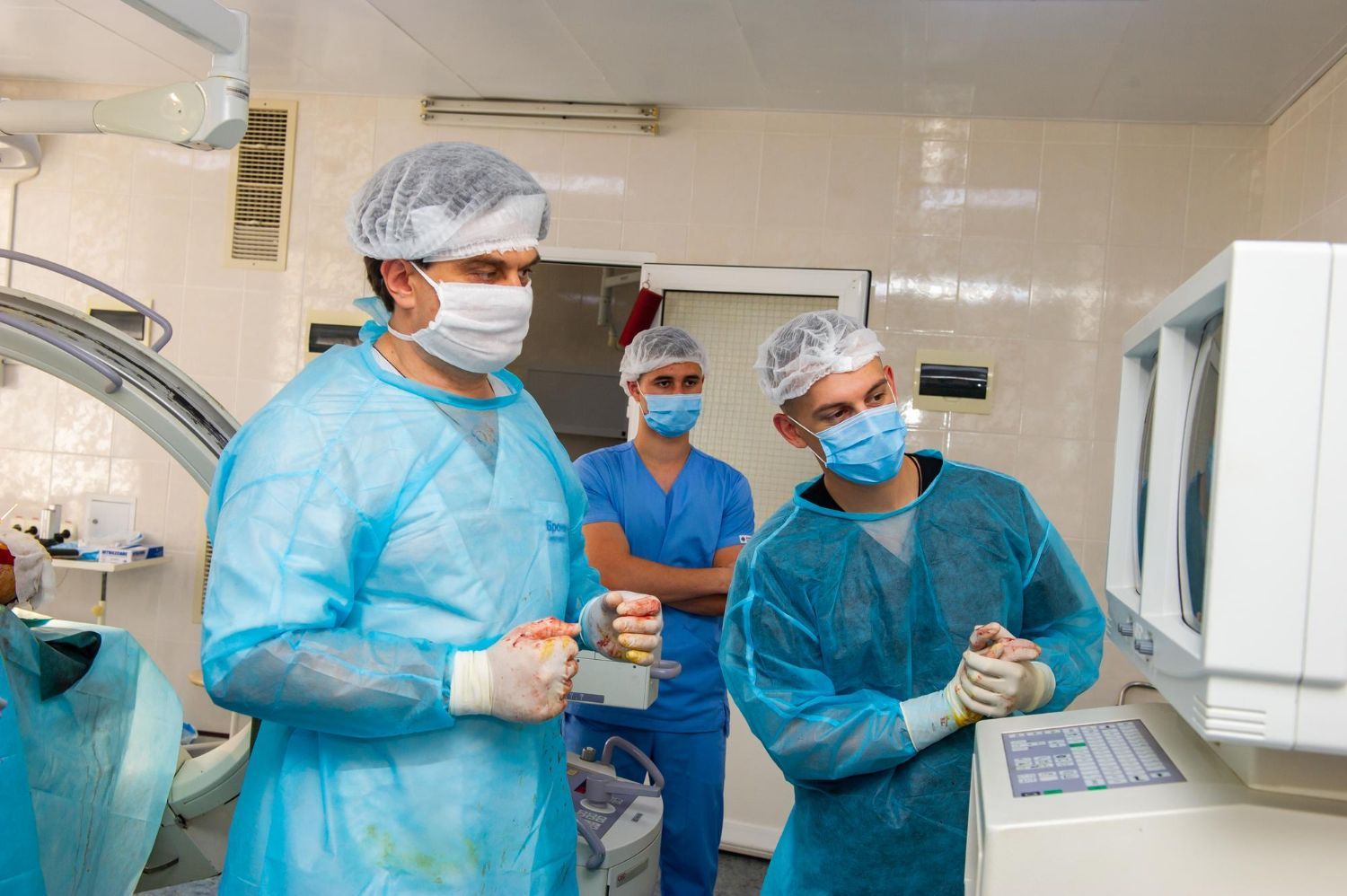
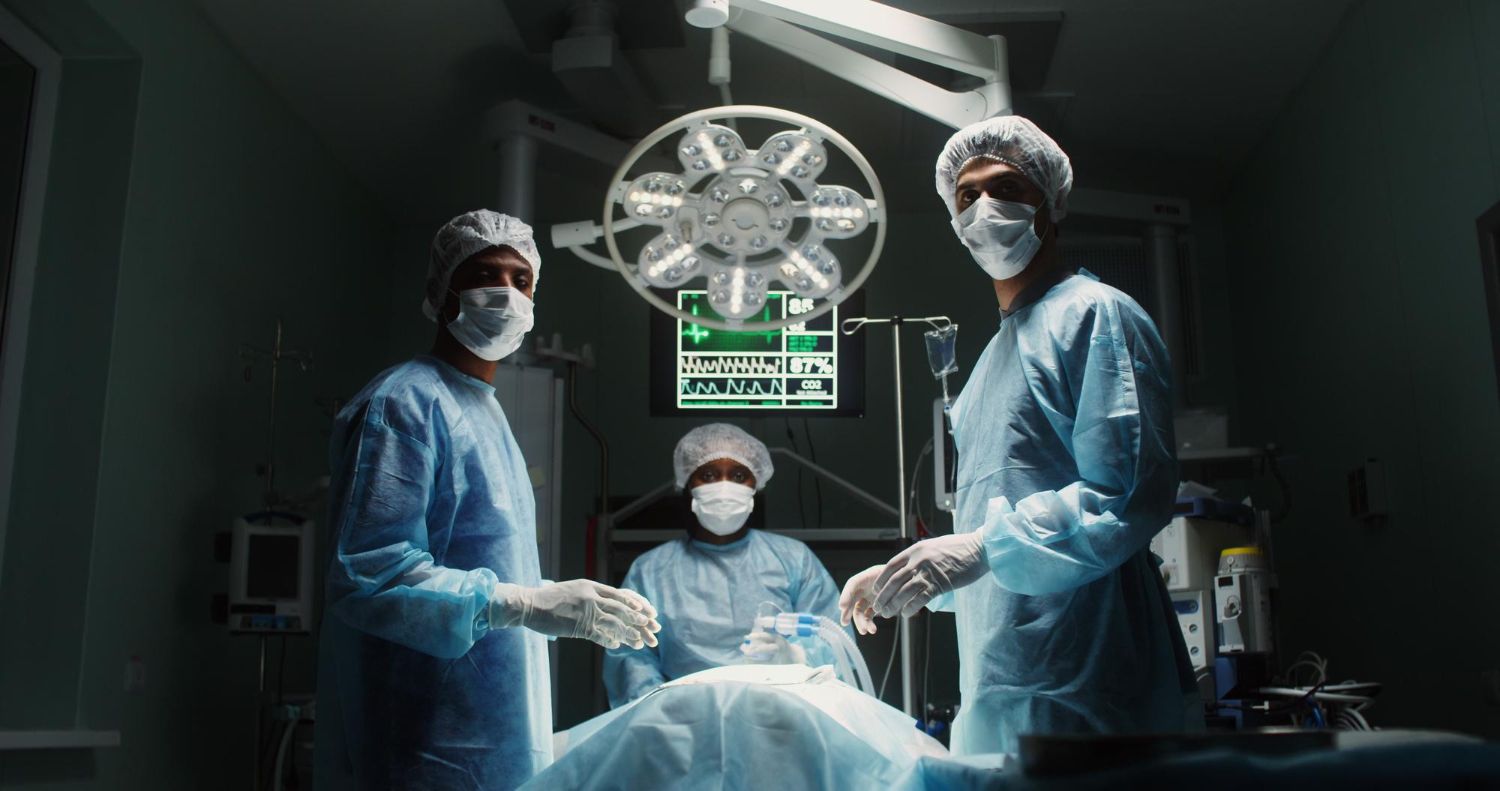
During procedures, theatre nurses contribute to maintaining a safe and organised operating environment. Their responsibilities may include supporting sterile practice, managing instruments, coordinating equipment and communicating with other members of the surgical team.
Following surgery, nurses involved in recovery care help monitor patients, recognise potential concerns and support the transition to the next stage of care.
These responsibilities require clinical judgement, careful observation and effective communication with colleagues.
How experienced theatre nurses support patient safety
Patient safety is a shared responsibility across the surgical team. Perioperative nurses contribute by following established procedures, checking relevant information and raising concerns when something requires clarification.
Their familiarity with surgical workflows can also help them anticipate equipment requirements and prepare for the next stage of a procedure.
Key areas of contribution include:
- Maintaining sterile practice: Following infection prevention procedures and helping protect the sterile field.
- Supporting instrument and equipment management: Ensuring required items are available and handling them according to established protocols.
- Participating in safety checks: Contributing to patient identification, procedure verification, instrument counts and other required checks.
- Communicating clinical information: Sharing relevant information with surgeons, anaesthetists and other team members.
- Recognising and escalating concerns: Raising issues promptly through the appropriate clinical channels.
These activities help reinforce established safety processes. They do not eliminate surgical risk, but they support a more coordinated approach to perioperative care.
The contribution of scrub and scout nurses
Scrub and scout nurses have distinct responsibilities within the operating theatre, and effective coordination between them is important for surgical workflow.
Scrub nurses work within the sterile field, preparing and managing instruments and assisting the surgical team by providing the required equipment during procedures.
Scout nurses, also known as circulating nurses, work outside the sterile field. They help coordinate equipment and supplies, support documentation and communicate with other departments when additional resources are required.
Both roles require attention to detail, situational awareness and an understanding of the planned procedure.
For example, during a complex operation, the scrub nurse must manage instruments in accordance with sterile practice, while the scout nurse may need to coordinate additional equipment or respond to requests from the surgical team.
Clear communication helps both professionals work together while maintaining their respective responsibilities.
Hospitals should ensure that nurses are allocated to roles that match their competencies and receive appropriate orientation to local procedures and equipment.
Supporting efficient surgical workflows
Operating theatre efficiency depends on several factors, including scheduling, equipment availability, staffing and communication.
Experienced theatre nurses can contribute to more organised workflows by preparing for procedures, understanding surgical requirements and coordinating with colleagues.
Preparation before a surgical list begins can help identify missing equipment, clarify responsibilities and reduce avoidable interruptions.
Nurses also contribute to transitions between procedures by following established cleaning, preparation and equipment management protocols.
However, efficiency should never take priority over patient safety or required clinical checks. Adequate preparation and adherence to procedures remain essential, even when operating schedules are demanding.
Hospitals can support theatre teams by reviewing recurring delays, ensuring appropriate staffing levels and providing access to the equipment and resources required for planned procedures.
Why specialist experience matters when recruiting theatre nurses
Not every nursing position requires the same clinical background. Operating theatres may involve different surgical specialties, equipment, protocols and patient care requirements.
When recruiting perioperative nurses, hospitals should assess whether a candidate's experience aligns with the responsibilities of the position.
Depending on the vacancy, relevant considerations may include:
- Previous operating theatre or perioperative experience.
- Familiarity with the relevant surgical specialty.
- Competence in scrub, scout or other assigned duties.
- Understanding of infection prevention and sterile practice.
- Ability to work effectively within a multidisciplinary team.
- Current registration, credentials and other applicable requirements.
A clear recruitment brief helps identify the experience needed and supports more meaningful candidate assessment.
Hospitals should also account for local induction requirements. Even experienced nurses need to understand the facility's procedures, documentation systems, equipment and escalation pathways before undertaking their assigned duties.
Managing theatre staffing pressures without compromising suitability
Hospitals may face workforce gaps because of planned leave, unexpected absences, vacancies or changes in surgical demand.
When these pressures arise, managers need to consider both the urgency of the requirement and the clinical experience needed to fill it appropriately.
Temporary theatre nursing can help provide additional capacity for defined periods, including planned surgical activity or short-term staffing gaps.
However, availability alone should not determine a placement. Employers need to verify relevant credentials, assess role suitability and ensure that the nurse can meet the requirements of the clinical environment.
Early communication with recruitment partners can help hospitals clarify assignment dates, expected responsibilities, required experience and onboarding arrangements.
A planned approach also gives staffing coordinators more time to explore suitable candidates rather than relying entirely on last-minute arrangements.
Building a sustainable perioperative workforce
While temporary staffing can address immediate needs, hospitals also benefit from a longer-term approach to workforce planning.
Regularly reviewing theatre activity, vacancy patterns, staff availability and specialist skill requirements can help identify recurring pressures.
Hospitals may also consider how professional development, mentoring and structured orientation can support staff capability and retention.
For theatre managers, understanding which specialties experience the greatest recruitment challenges can help prioritise future workforce planning.
A combination of permanent staff, appropriate temporary support and ongoing professional development can provide greater flexibility, depending on the hospital's service model and clinical requirements.
The aim is to maintain a workforce with the right skills and capacity to support safe, coordinated surgical care.
How Dispatch Nursing Agency supports specialist theatre staffing
Dispatch Nursing Agency specialises in nursing recruitment for hospital environments, with a focus on operating theatre and specialist nursing requirements.
For hospitals seeking perioperative nursing support, clearly defining the surgical setting, responsibilities, required experience and assignment duration is an important first step.
This information helps establish a targeted recruitment brief and supports the process of identifying appropriately experienced professionals.
Whether a hospital needs additional theatre nursing capacity for planned procedures or temporary support during a staffing gap, recruitment decisions should reflect the clinical requirements of the position.
To discuss your hospital's theatre nursing needs, visit Dispatch Nursing Agency.
Conclusion
Perioperative nurses contribute significantly to the delivery of coordinated surgical care. Their clinical expertise, attention to detail and collaboration with other professionals help support patient safety and organised operating theatre workflows.
For hospitals, strengthening perioperative services means recruiting nurses with suitable experience, providing appropriate orientation and planning workforce capacity around clinical demand.
By taking a proactive approach to specialist recruitment and workforce planning, healthcare organisations can better prepare their theatre teams to meet operational challenges while maintaining a focus on safe patient care.