
Why effective clinical handover matters in operating theatre nursing
Operating theatre nursing involves multiple stages of patient care and a large multidisciplinary team.
A patient may move from a ward or admission area into the operating theatre, through anaesthesia and surgery, and then into recovery.
At every transition, important information needs to be communicated clearly.
Effective clinical handover is therefore an important part of maintaining continuity, supporting patient safety and ensuring that theatre teams have the information they need to provide appropriate care.
What is clinical handover?
Clinical handover is the process of transferring relevant patient and care information between healthcare professionals or teams.
In an operating theatre environment, handover can occur at several points.
For example, information may be transferred when a patient enters theatre, when responsibility changes between clinical professionals or when the patient moves from the operating theatre into recovery.
The purpose is to ensure that important information is not lost during these transitions.
Why handover matters in operating theatres
Operating theatres are fast-moving environments.
Multiple professionals may be involved in a single procedure, and circumstances can change quickly.
A clear handover helps ensure that the incoming team understands the patient's current status, relevant clinical information and any issues that require attention.
This can support continuity of care and reduce the risk of misunderstandings.
Information needs to be clear and relevant
Effective handover is not simply about sharing as much information as possible.
The information communicated needs to be relevant, accurate and understandable.
Depending on the circumstances, this may include information about the patient's condition, procedure, allergies, medications, relevant clinical concerns, equipment requirements and any issues that occurred during surgery.
The exact information required will depend on the patient's circumstances and the clinical setting.
Handover between theatre and recovery
One of the important transitions occurs when a patient leaves the operating theatre and moves into recovery.
The recovery team needs to understand what occurred during the procedure and whether there are any specific issues that require attention.
Information from the anaesthetic and surgical teams can help recovery nurses continue appropriate monitoring and care.
A structured handover supports a smoother transition between these areas.
Handover can support patient safety
Breakdowns in communication can create risks in any healthcare environment.
In operating theatres, where procedures can be complex and patients may have rapidly changing clinical needs, accurate communication is particularly important.
A structured handover provides an opportunity to confirm key information and identify issues that require ongoing attention.
It forms part of a broader approach to patient safety and clinical governance.
The role of theatre nurses
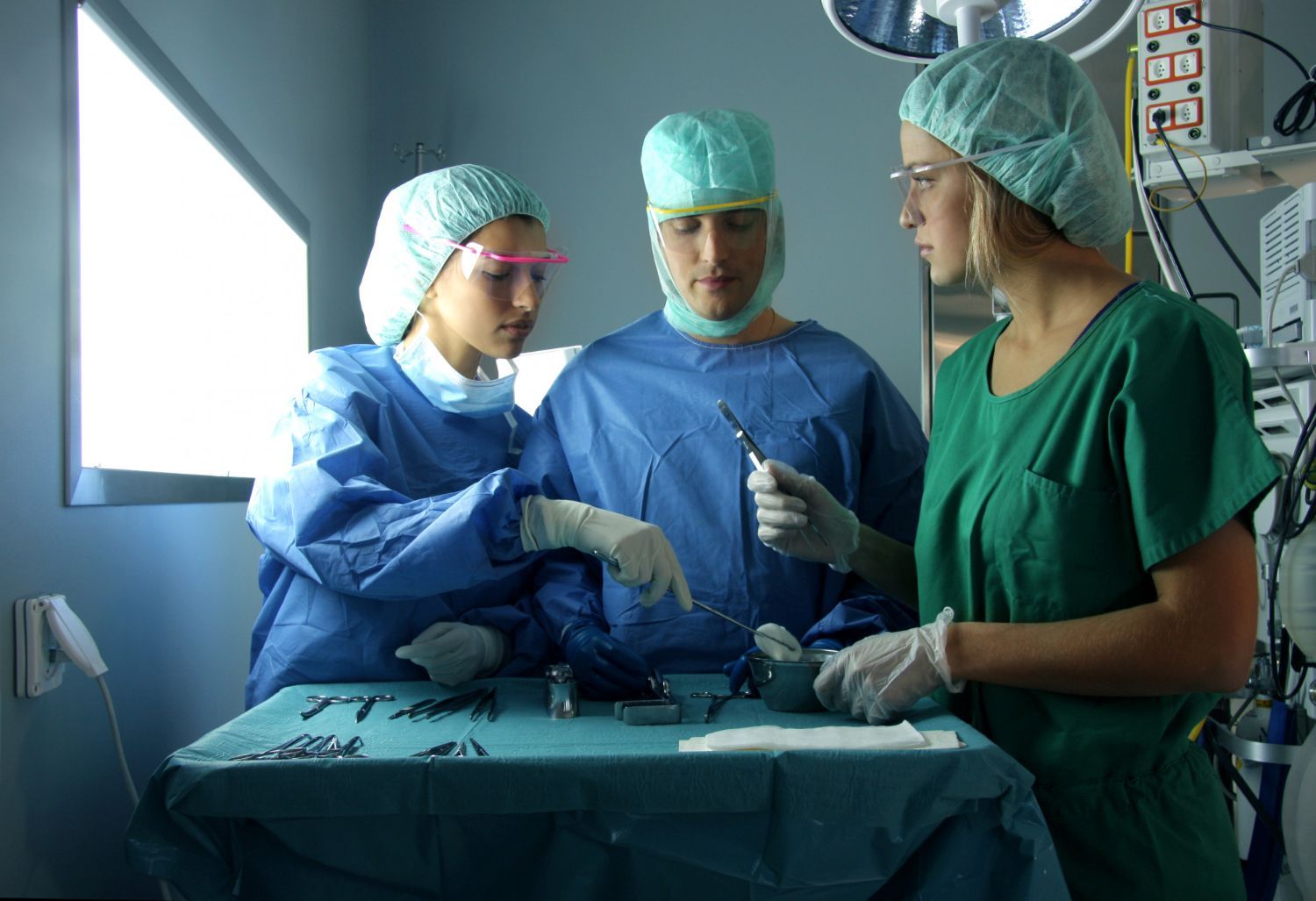
Theatre nurses are often involved in communication between different members of the surgical team.
Depending on their role, they may contribute information about instruments, procedures, patient requirements, surgical events or other relevant details.
Their understanding of the theatre environment allows them to contribute effectively to transitions between different stages of care.
Supporting multidisciplinary communication
Operating theatres bring together professionals with different responsibilities.
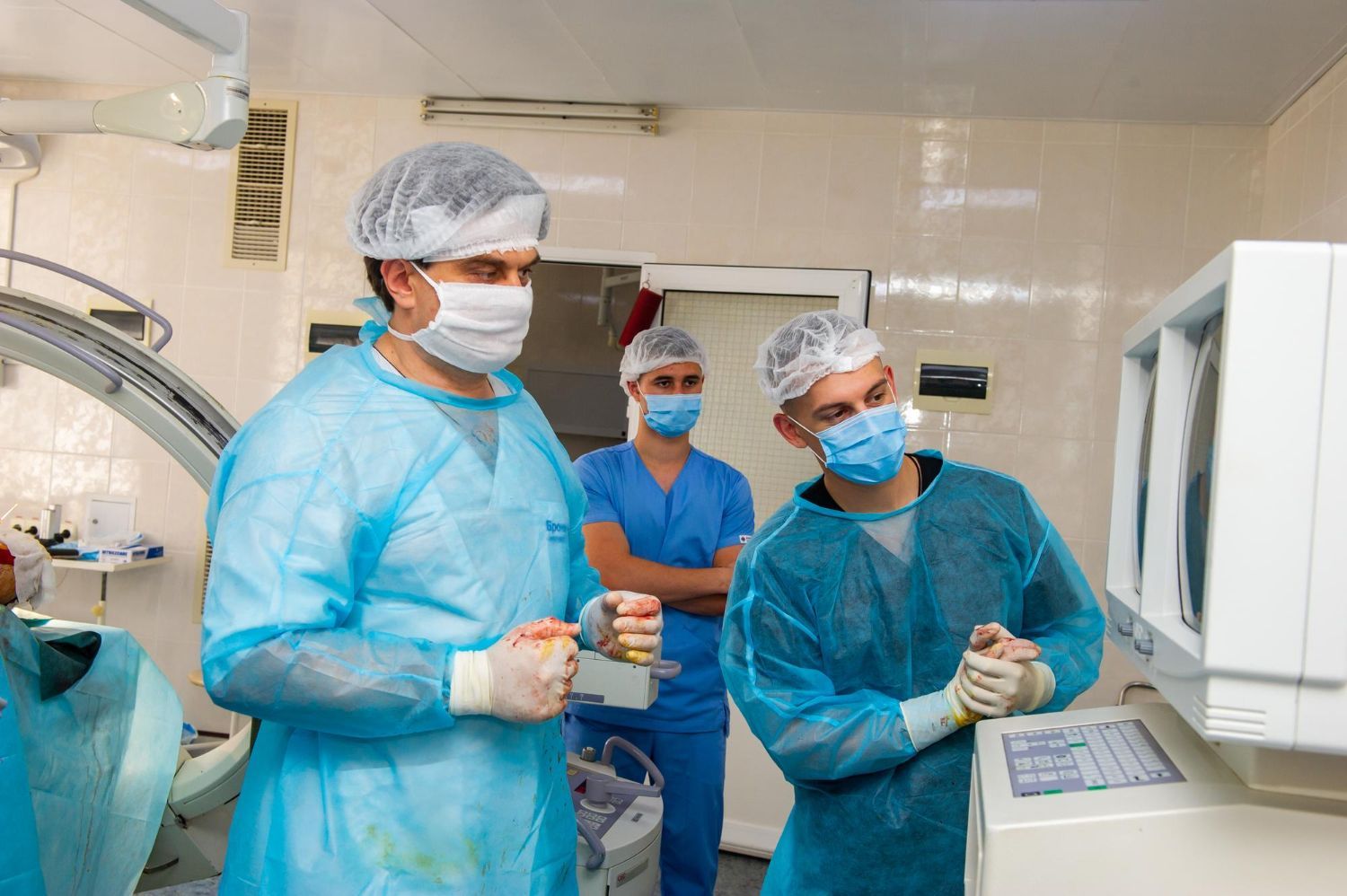
Surgeons, anaesthetists, nurses and other healthcare professionals need to work together throughout the procedure.
Effective handover supports this multidisciplinary environment by ensuring that information is transferred between the appropriate people.
It also reinforces the importance of clear communication between clinical teams.
The importance of standardised processes
Healthcare organisations often use structured handover processes to ensure that important information is communicated consistently.
Standardisation can help teams know what information needs to be shared and reduce reliance on memory.
It can also make handovers easier to follow when staff members are working across different departments or shifts.
For agency nurses working in different healthcare environments, understanding and following the host organisation's handover procedures is particularly important.
Handover during unexpected situations
Not every surgical procedure follows the original plan.
Unexpected clinical events, changes to the procedure or other issues may occur.
When this happens, accurate communication becomes even more important.
The incoming team needs to understand what changed, what actions were taken and what ongoing monitoring or follow-up may be required.
Clear communication helps ensure that the patient remains the focus during these transitions.
Experience supports effective handover
Clinical handover requires more than simply passing information from one person to another.
Healthcare professionals need to recognise which information is clinically relevant and communicate it clearly.
Experienced theatre nurses understand the pace and complexity of surgical environments and can contribute effectively to structured handover processes.
This is one reason specialist theatre nursing experience can be valuable when healthcare providers are selecting agency staff.
Supporting continuity across surgical teams
Hospitals may use a combination of permanent, casual, temporary and agency professionals.
While this provides workforce flexibility, it also makes communication and consistency important.
Experienced agency theatre nurses need to be able to integrate into existing processes and follow the hospital's established procedures.
This helps support continuity even when the composition of the theatre team changes.
How Dispatch Nursing Agency can help
Dispatch Nursing Agency specialises in providing experienced theatre nursing professionals to healthcare providers across Australia.
Its specialist focus includes theatre nursing roles across surgical environments, supporting healthcare organisations that require skilled professionals who can adapt to demanding clinical settings.
If your hospital or surgical facility requires experienced theatre nursing professionals, speak with Dispatch Nursing Agency about your workforce requirements.