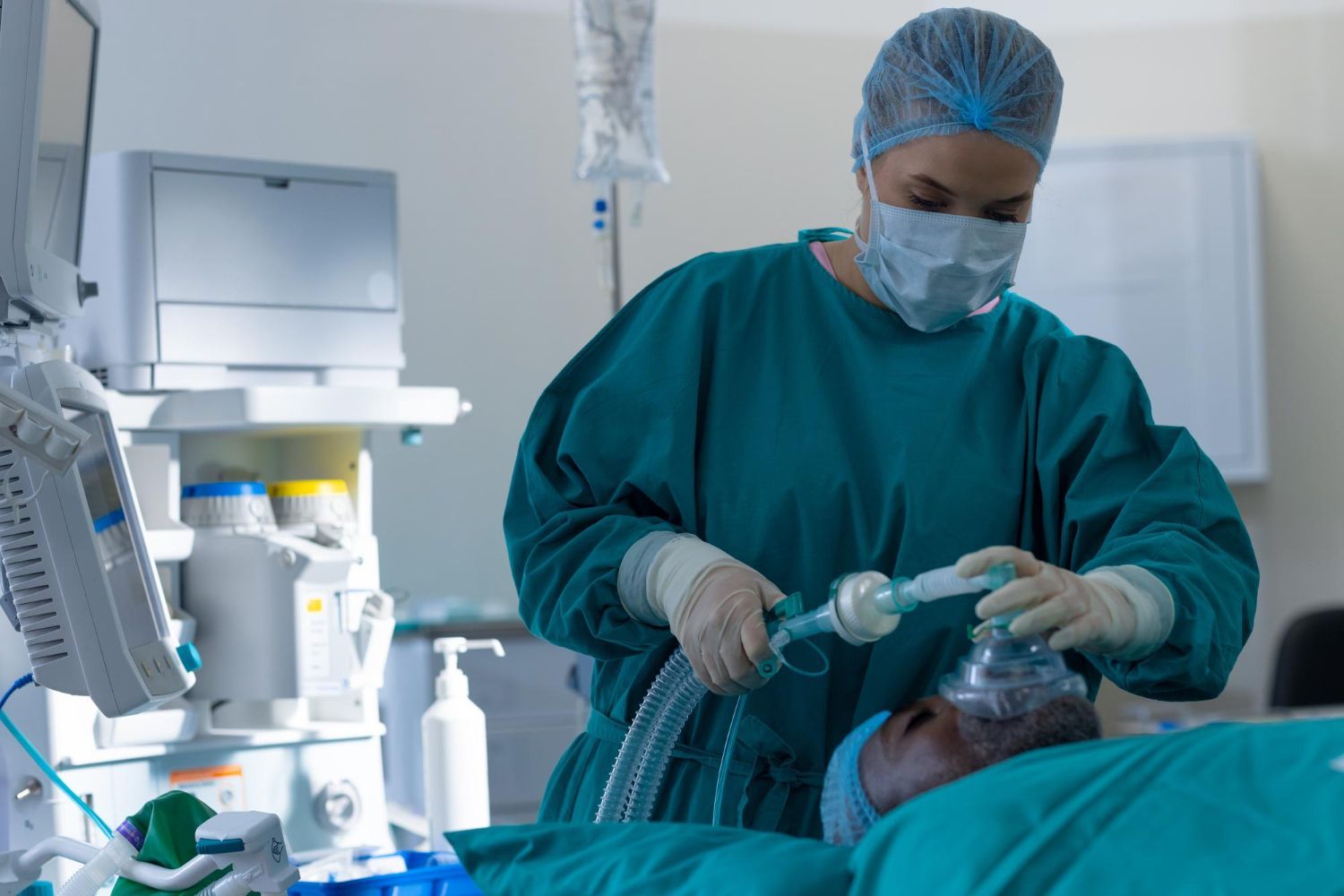

Addressing theatre nursing shortages in Australian hospitals

March 23, 2026

Hospitals across Australia continue to face challenges in recruiting and retaining experienced theatre nurses. As demand for surgical procedures grows, healthcare facilities must find ways to maintain adequate staffing levels while ensuring patient safety and operational efficiency.

Dispatch Nursing Agency helps hospitals address these workforce challenges by providing access to skilled theatre nursing professionals.

Understanding the demand for theatre nurses

Advancements in medical technology and increasing healthcare needs have contributed to a rise in surgical procedures. This growth has increased demand for theatre nurses who possess specialised training and experience.

However, recruiting permanent theatre staff can be difficult due to workforce shortages and high competition among healthcare facilities.

Hospitals must explore flexible staffing strategies to maintain service levels.

The impact of staffing shortages

When operating theatres lack sufficient nursing staff, surgical schedules may be delayed or procedures postponed. This can affect patient care and place additional pressure on existing healthcare professionals.

Overworked teams may also experience fatigue, which can affect morale and overall workplace wellbeing.

Maintaining adequate staffing levels is essential for protecting both patients and staff.

The benefits of flexible staffing solutions

Flexible staffing solutions allow hospitals to respond quickly to workforce shortages. Temporary or contract theatre nurses can provide immediate support when permanent staff are unavailable.

These professionals bring valuable expertise and adapt quickly to new environments, helping hospitals maintain consistent surgical services.

Flexible staffing supports operational continuity.

Supporting hospital workforce planning

Healthcare providers must plan carefully to ensure that operating theatres remain adequately staffed. Recruitment partners can help identify skilled professionals who are ready to step into roles when needed.

By working with experienced staffing agencies, hospitals gain access to broader networks of qualified theatre nurses.

Strategic workforce planning reduces disruption.

Dispatch Nursing Agency’s approach

Dispatch Nursing Agency specialises in connecting hospitals with experienced theatre nurses who can support surgical teams during busy periods or staffing gaps. Our focus on reliability and clinical expertise ensures that hospitals receive professionals who are prepared for the demands of operating theatres.

We work closely with healthcare providers to ensure that staffing solutions support both patient safety and operational efficiency.

Conclusion

Addressing theatre nursing shortages is essential for maintaining safe and efficient surgical services. Flexible staffing solutions help hospitals adapt to workforce challenges while protecting patient care.

Dispatch Nursing Agency remains committed to supporting healthcare facilities with skilled theatre nurses who contribute to high quality surgical outcomes.


 theatre nursing
March 23, 2026
Theatre nursing is one of the most specialised and rewarding areas within the nursing profession. Professionals working in operating theatres play a crucial role in supporting surgical teams and ensuring that patients receive safe and effective care. Across Australia, theatre nurses are highly valued for their expertise and ability to work in demanding clinical environments. Dispatch Nursing Agency works with theatre nurses who are passionate about advancing their careers while contributing to excellent surgical care. Understanding theatre nursing as a career path Theatre nursing involves working within operating theatres to support surgical procedures. Nurses may specialise in different roles such as scrub nursing, circulating nursing or post anaesthetic recovery care. Each role requires specialised training and the ability to work closely with surgeons, anaesthetists and other healthcare professionals. This collaborative environment makes theatre nursing both challenging and rewarding. Developing essential skills Successful theatre nurses possess a range of technical and interpersonal skills. Attention to detail is essential when preparing surgical instruments and maintaining sterile environments. Communication skills are equally important, as theatre nurses must coordinate effectively with other members of the surgical team. Adaptability and quick decision making are also valuable qualities in operating theatre settings. Gaining specialised experience Many nurses begin their careers in general wards before transitioning into theatre environments. Additional training and clinical experience help professionals develop the specialised skills required for surgical settings. Exposure to different surgical procedures allows theatre nurses to expand their knowledge and strengthen their expertise. Continuous learning supports professional growth. Opportunities for career advancement Theatre nursing offers several pathways for career development. Experienced professionals may move into leadership roles such as theatre coordinators or clinical educators. Some nurses also choose to specialise further in specific surgical disciplines. These opportunities allow theatre nurses to continue developing their expertise while contributing to improved patient outcomes. How Dispatch Nursing Agency supports theatre nurses Dispatch Nursing Agency connects theatre nurses with opportunities that match their skills and career goals. By working with hospitals and healthcare facilities across Australia, we help professionals gain valuable experience in diverse surgical environments. Our goal is to support nurses who are dedicated to advancing their careers in operating theatre settings. Conclusion Theatre nursing offers a rewarding career for professionals who are passionate about surgical care and teamwork. By developing specialised skills and gaining experience, nurses can build fulfilling careers within this important field. Dispatch Nursing Agency remains committed to supporting theatre nurses by connecting them with opportunities that contribute to both professional growth and high quality patient care.
skilled theatre nurses
March 23, 2026
Surgical procedures require precise coordination between medical professionals, advanced technology and strict safety protocols. Among the many professionals involved in operating theatres, theatre nurses play a critical role in ensuring that surgeries run smoothly and safely. Across Australia, hospitals increasingly rely on experienced theatre nurses to maintain high standards of patient care during surgical procedures. Dispatch Nursing Agency understands the importance of placing skilled theatre nurses who are capable of supporting surgical teams in fast paced environments. Understanding the responsibilities of theatre nurses Theatre nurses perform several essential roles before, during and after surgical procedures. Their responsibilities include preparing operating rooms, ensuring that surgical instruments are sterile and ready for use, assisting surgeons during procedures and monitoring patients throughout the surgical process. Different roles exist within theatre nursing, including scrub nurses, scout nurses and recovery nurses. Each role contributes to ensuring that surgical procedures are conducted efficiently and safely. These responsibilities require strong attention to detail and the ability to remain calm under pressure. Supporting surgical teams during procedures Operating theatres involve multiple professionals working together to perform complex procedures. Surgeons, anaesthetists and theatre nurses must communicate clearly and work in synchronised coordination. Theatre nurses assist by anticipating the needs of surgeons and ensuring that instruments are available at the right moment. Their preparation and organisation help surgical teams focus fully on patient care. Effective teamwork is essential for successful surgical outcomes. Maintaining strict infection control standards Infection control is one of the most important aspects of surgical care. Theatre nurses play a key role in maintaining sterile environments throughout procedures. By ensuring that equipment is properly sterilised and that operating theatre protocols are followed carefully, theatre nurses help minimise the risk of infection and complications. Strict adherence to hygiene standards protects both patients and healthcare professionals. Responding quickly to unexpected situations Surgical procedures sometimes involve unexpected developments that require immediate action. Theatre nurses must remain alert and ready to respond quickly to changing circumstances. Their training allows them to recognise potential complications and support surgeons in managing challenges effectively. Prepared professionals contribute to patient safety and surgical success. The role of Dispatch Nursing Agency Dispatch Nursing Agency specialises in connecting hospitals with experienced theatre nurses who are prepared to work in demanding surgical environments. By understanding the requirements of operating theatres, we ensure that healthcare facilities receive skilled professionals who can integrate seamlessly into surgical teams. Our goal is to support hospitals in maintaining high standards of surgical care. Conclusion Theatre nurses are essential members of surgical teams, providing expertise that ensures procedures are performed safely and efficiently. Their attention to detail, teamwork and commitment to patient care make them indispensable in operating theatres. Dispatch Nursing Agency remains dedicated to supporting hospitals by providing skilled theatre nurses who contribute to successful surgical outcomes.
Career growth for theatre nurses
February 24, 2026
Theatre nursing offers a unique and rewarding career path for healthcare professionals who thrive in dynamic environments. From assisting in complex procedures to supporting patient recovery, theatre nurses play an integral role in surgical care. As demand for perioperative professionals grows across Australia, many nurses are seeking opportunities to develop skills and build long term careers in this specialised field. Dispatch Nursing Agency recognises the importance of supporting theatre nurses in achieving professional growth and confidence. Exploring pathways within theatre nursing Theatre nurses often begin in general perioperative roles before developing expertise in areas such as scrub, scout or recovery. Each pathway offers opportunities to expand clinical knowledge and build confidence. Exposure to diverse surgical specialties allows nurses to refine technical skills while gaining valuable experience. Career progression may also include leadership roles or education opportunities. Structured development supports long term career satisfaction. Building confidence through varied experience Working in different surgical environments helps theatre nurses strengthen adaptability and problem solving skills. Exposure to varied procedures and teams encourages continuous learning. Confidence grows when nurses feel prepared to manage new challenges. Flexible work opportunities allow professionals to broaden their experience while maintaining work life balance. Diverse experience supports professional growth. Supporting mentorship and collaboration Mentorship plays an important role in developing theatre nurses. Experienced professionals often share knowledge and provide guidance to colleagues entering the field. Collaborative environments encourage learning and strengthen team cohesion. Supportive workplaces help nurses feel valued and motivated to pursue long term careers. Strong mentorship contributes to workforce stability. The role of Dispatch Nursing Agency in career development Dispatch Nursing Agency supports theatre nurses by connecting them with opportunities that align with their goals and strengths. Our focus on professional growth ensures that nurses gain experience while maintaining flexibility. By providing access to diverse placements, we help theatre nurses build confidence and expand their clinical expertise. Conclusion Career growth in theatre nursing requires ongoing learning, supportive environments and access to meaningful opportunities. By embracing professional development and collaboration, theatre nurses can build rewarding and sustainable careers. Dispatch Nursing Agency is committed to supporting perioperative professionals at every stage of their journey, helping them thrive while delivering exceptional care in surgical settings.
regional surgical services
February 24, 2026
Regional hospitals play a vital role in providing surgical care to local communities, yet they often face unique workforce challenges. Recruiting and retaining specialised theatre nurses in regional areas can be difficult due to smaller talent pools and geographic distance from major cities. Flexible staffing solutions are becoming essential for maintaining surgical services across Australia. Dispatch Nursing Agency works closely with regional healthcare providers to ensure access to skilled theatre nurses who support continuity of care. The challenges faced by regional surgical teams Regional facilities may experience fluctuating demand for surgical services. Seasonal population changes, workforce shortages and limited local training opportunities can affect staffing stability. Without access to flexible staffing, hospitals may need to reduce surgical lists or delay procedures. This impacts patient outcomes and places additional strain on existing teams. Reliable staffing solutions help regional providers maintain essential services. Enhancing continuity of care for regional patients Patients in regional communities often value familiarity and trust with healthcare providers. Consistent theatre staffing supports smoother surgical experiences and reduces anxiety. Flexible staffing ensures that regional facilities can maintain adequate coverage even during leave or unexpected absences. This continuity helps preserve local access to healthcare. Supporting regional services strengthens community wellbeing. Supporting workforce wellbeing in rural settings Regional theatre nurses often carry significant responsibility due to smaller team sizes. Flexible staffing solutions help reduce pressure by providing additional support during busy periods. Balanced workloads improve morale and reduce the risk of burnout. Supporting workforce wellbeing contributes to long term retention and stronger surgical teams. Flexible staffing benefits both healthcare professionals and patients. The role of Dispatch Nursing Agency Dispatch Nursing Agency understands the specific needs of regional surgical environments. By connecting facilities with experienced theatre nurses, we help ensure that surgical services remain accessible and reliable. Our focus on flexibility allows hospitals to respond quickly to changing demands without compromising quality. Conclusion Flexible theatre nurse staffing is essential for supporting regional surgical services. By providing skilled professionals when needed, healthcare providers can maintain patient access, protect workforce wellbeing and deliver consistent care. Dispatch Nursing Agency is dedicated to strengthening regional healthcare through responsive and specialised staffing solutions.
experienced theatre nurses
February 24, 2026
Surgical environments rely on precision, teamwork and consistent clinical expertise. Among the many professionals involved in patient care, theatre nurses play a critical role in maintaining safety, coordination and workflow throughout every procedure. As surgical demand grows across Australia, healthcare facilities are recognising that experienced theatre nurses are not simply support staff. They are key contributors to successful outcomes and efficient operating theatres. Dispatch Nursing Agency understands the complexity of perioperative care and the importance of placing skilled theatre nurses who can adapt quickly to high pressure environments. The unique responsibilities of theatre nurses Theatre nurses perform a range of specialised roles including scrub, scout and recovery support. Each role requires detailed clinical knowledge, situational awareness and strong communication skills. Scrub nurses manage sterile fields and instruments, ensuring surgeons have the tools needed at every stage. Scout nurses coordinate movement within the operating room and support patient safety protocols. These responsibilities demand focus and precision, making experience a valuable asset. Supporting patient safety through clinical expertise Patient safety is the highest priority in surgical care. Experienced theatre nurses contribute to safety by recognising subtle changes, anticipating needs and maintaining strict adherence to protocols. Their familiarity with surgical procedures helps reduce errors and delays. Experienced nurses also support infection control and accurate documentation, which are essential components of perioperative care. Safety improves when teams include professionals who understand the rhythm and demands of surgery. Enhancing efficiency within operating theatres Operating theatres rely on seamless collaboration. Delays caused by inexperience or miscommunication can affect schedules and patient flow. Experienced theatre nurses help maintain efficiency by anticipating surgical steps and preparing equipment in advance. Their confidence allows procedures to progress smoothly, reducing downtime between cases. Efficiency benefits both healthcare providers and patients awaiting surgery. Supporting multidisciplinary teamwork Surgical environments involve collaboration between surgeons, anaesthetists and nursing staff. Strong communication ensures that everyone works towards shared goals. Experienced theatre nurses often act as stabilising figures within the team, supporting clear communication and coordination. Their presence helps maintain calm and focus even during complex procedures. Effective teamwork strengthens outcomes across the operating theatre. The role of continuous learning Healthcare continues to evolve, and theatre nurses must adapt to new technologies and procedures. Ongoing professional development ensures that nurses remain confident and capable. Facilities that invest in experienced staff benefit from knowledge sharing and mentorship within teams. Continuous learning supports both individual growth and organisational success. Dispatch Nursing Agency values professional development as part of delivering high quality care. How Dispatch Nursing Agency supports surgical teams Dispatch Nursing Agency specialises in connecting healthcare providers with skilled theatre nurses who understand the demands of perioperative environments. Our approach focuses on matching expertise with facility needs to support safe and efficient care delivery. By providing experienced professionals, we help operating theatres maintain consistency and performance even during staffing challenges. Conclusion Experienced theatre nurses are essential to maintaining safe, efficient and well coordinated surgical environments. Their expertise supports patient safety, enhances teamwork and ensures that operating theatres run smoothly. Dispatch Nursing Agency is committed to supplying skilled theatre nurses who contribute positively to surgical teams across Australia, helping healthcare providers deliver high quality care when it matters most.
Preparing agency theatre nurses
January 20, 2026
Operating theatres are highly specialised environments where precision, preparation and experience directly impact patient safety. While all theatre nurses share core competencies, each surgical speciality presents its own techniques, equipment and workflows. For agency theatre nurses, the ability to transition between specialities confidently is essential. Across Australia, hospitals increasingly rely on well prepared agency theatre nurses who can adapt seamlessly to diverse surgical settings. Dispatch Nursing Agency recognises that successful theatre staffing depends not just on availability, but on preparation that aligns nurses with the specific demands of each surgical speciality. Why surgical specialisation matters in theatre nursing Each surgical speciality operates with distinct instruments, procedures and team dynamics. Orthopaedics, general surgery, obstetrics, ENT and ophthalmology all require different levels of technical knowledge and preparation. When nurses are unfamiliar with a speciality, inefficiencies and risks increase. Instrument delays, communication breakdowns and workflow disruption can affect surgical flow and patient safety. Specialisation ensures that theatre nurses can anticipate needs and support surgeons effectively. Prepared nurses contribute to smoother procedures and more confident teams. Understanding the differences between specialities Surgical specialities differ in more than just procedures. They vary in pacing, equipment handling and patient considerations. For example: orthopaedic theatres require familiarity with power tools and implants general surgery involves a wide range of instruments and case types ENT procedures often demand precision and delicate handling ophthalmic surgery requires meticulous attention to detail obstetric theatres operate in time sensitive and emotionally charged settings Each environment demands specific knowledge and readiness from theatre nurses. The importance of role clarity within specialities Within each speciality, scrub, scout and recovery roles carry different responsibilities. Nurses must understand how their role changes depending on the procedure and team structure. Prepared agency nurses arrive knowing what is expected of them in each role. This clarity reduces hesitation and supports efficient collaboration. Role clarity is essential for maintaining safety and confidence within the theatre team. Preparation beyond basic orientation Effective preparation goes beyond generic theatre orientation. Agency nurses must be briefed on the specific requirements of the speciality they are entering. This preparation may include: familiarity with common procedures and instruments understanding surgeon preferences awareness of speciality specific risks knowledge of infection control nuances readiness for case pacing and turnover This level of preparation allows agency nurses to integrate quickly and contribute meaningfully from the start of the shift. Supporting patient safety through preparedness Patient safety depends on every member of the theatre team understanding their role and environment. Prepared nurses are better able to recognise potential issues and respond appropriately. Speciality specific preparation supports: accurate instrument handling timely anticipation of surgical steps effective communication with the surgical team adherence to safety checklists reduced likelihood of errors Prepared agency nurses strengthen the overall safety net within the theatre. Reducing pressure on permanent theatre staff When agency nurses are unfamiliar with a speciality, permanent staff often need to provide additional guidance. This increases workload and can distract from patient care. Prepared agency nurses reduce this burden by working independently and confidently. This support allows permanent teams to focus on their responsibilities rather than compensating for gaps in experience. Reducing pressure supports staff wellbeing and performance. The role of matching in speciality preparation Not every nurse is suited to every speciality. Effective theatre staffing requires careful matching based on experience, confidence and preference. Dispatch Nursing Agency prioritises matching nurses to specialities where they are most capable. By understanding each nurse’s background and strengths, we ensure placements that support success rather than strain. Thoughtful matching improves outcomes for hospitals and nurses alike. Continuous learning and adaptability While specialisation is important, adaptability remains essential in theatre nursing. Prepared nurses continue to learn and refine their skills across specialities. Exposure to different surgical environments, when supported appropriately, enhances competence and confidence. This ongoing development benefits both nurses and the healthcare system. How Dispatch Nursing Agency prepares theatre nurses Dispatch Nursing Agency takes a specialist approach to theatre staffing. We understand the demands of different surgical specialities and prepare nurses accordingly. By assessing experience, providing clear briefings and supporting appropriate placements, we ensure that agency theatre nurses arrive ready to perform. Our focus on preparation and matching supports safe, efficient and high quality surgical care. Benefits for hospitals and surgical teams Hospitals that partner with specialist theatre agencies experience: improved theatre efficiency reduced orientation time fewer errors and delays stronger team collaboration enhanced patient safety Prepared agency nurses contribute to consistent performance across surgical services. Conclusion Preparing agency theatre nurses for different surgical specialities is essential to maintaining safety, efficiency and confidence in operating theatres. Specialisation, role clarity and preparation ensure that nurses can support diverse procedures without disruption. Dispatch Nursing Agency is committed to preparing and matching theatre nurses to the right surgical environments. Through specialist understanding and thoughtful placement, we help hospitals deliver safe, efficient and high quality surgical care across every speciality.
specialist theatre nurses
January 20, 2026
Cancelled procedures and delayed surgical lists are among the most costly and frustrating challenges hospitals face. For patients, delays create anxiety, inconvenience and extended recovery timelines. For hospitals, cancellations impact efficiency, revenue and staff morale. While equipment and scheduling play a role, one of the most common contributors to disrupted surgical flow is inadequate or unsuitable staffing. Across Australia, specialist theatre nurses are central to keeping surgical services running smoothly and on time. Dispatch Nursing Agency understands that maintaining surgical flow requires more than simply filling rosters. It depends on having theatre nurses with the right skills, experience and preparedness to support complex perioperative environments. Why surgical flow matters Surgical flow refers to the smooth progression of patients through the perioperative pathway, from pre operative preparation through surgery and recovery. When flow is disrupted, delays quickly cascade across the entire system. Even a single delay can lead to: cancelled or postponed procedures extended patient waiting times overtime costs for staff increased pressure on recovery and ward beds frustration for surgical teams Maintaining consistent flow is essential for both patient experience and operational efficiency. Staffing as a key driver of delays While scheduling and infrastructure are important, staffing is often the most immediate factor affecting surgical flow. When theatres are short staffed or staffed with nurses unfamiliar with the environment, procedures can be delayed or cancelled altogether. Common staffing related causes of disruption include: lack of appropriately skilled scrub or scout nurses insufficient recovery nursing capacity reliance on staff unfamiliar with theatre protocols increased orientation time for inexperienced staff Specialist theatre nurses help eliminate these risks. The role of specialist theatre nurses in efficiency Specialist theatre nurses understand the rhythm and demands of surgical environments. Their experience allows them to anticipate needs, prepare equipment accurately and support surgeons and anaesthetists effectively. Because they are familiar with theatre workflows, specialist nurses contribute to: faster room set up and turnover reduced errors in instrument preparation smoother communication within the surgical team efficient patient transfer between stages These efficiencies accumulate throughout the day, reducing the likelihood of delays. Preventing last minute cancellations Last minute cancellations often occur when essential staff are unavailable or when staffing gaps are identified too late. Having access to specialist theatre nurses reduces this risk. Agency theatre nurses with appropriate experience can step in at short notice and perform confidently with minimal orientation. This flexibility allows hospitals to maintain lists even when unexpected absences occur. Preventing cancellations protects patient trust and supports continuity of care. Supporting recovery capacity to maintain flow Recovery areas are critical to surgical flow. When recovery is understaffed, patients cannot be transferred out of theatre, creating bottlenecks that delay subsequent cases. Specialist recovery nurses ensure that patients are monitored safely and moved through recovery efficiently. Adequate recovery staffing supports timely patient progression and prevents backlogs that impact theatre schedules. Recovery nursing is therefore just as important as intraoperative staffing in maintaining flow. Reducing pressure on permanent theatre teams When staffing gaps occur, permanent theatre staff often absorb the pressure by working extended hours or taking on additional responsibilities. While this may address short term needs, it increases fatigue and risk of burnout. Specialist agency theatre nurses provide relief by sharing workload and maintaining standards. This support helps permanent teams function more effectively and reduces the likelihood of errors caused by exhaustion. Sustainable staffing contributes to consistent performance over time. The importance of preparation and familiarity Delays are more likely when staff are unfamiliar with theatre layouts, equipment or processes. Specialist theatre nurses arrive prepared and confident, reducing learning curves that can slow operations. Preparation includes understanding surgical specialities, infection control protocols and communication expectations. This readiness allows nurses to contribute immediately rather than requiring constant guidance. Prepared staff are essential to keeping lists running on schedule. The financial and reputational impact of delays Surgical delays and cancellations carry financial consequences for hospitals, including wasted theatre time and increased staffing costs. They also affect reputation, as patients expect reliability and professionalism from surgical services. Maintaining efficient surgical flow supports patient satisfaction and organisational credibility. Specialist staffing is an investment in both quality and efficiency. How Dispatch Nursing Agency supports surgical flow Dispatch Nursing Agency specialises in theatre nursing and understands the operational pressures hospitals face. We supply experienced scrub, scout and recovery nurses who are prepared to integrate seamlessly into theatre teams. Our focus on specialist matching ensures that nurses support efficiency rather than disrupt it. By providing reliable staffing solutions, we help hospitals maintain momentum even during periods of high demand or unexpected change. Benefits for hospitals and patients Hospitals that partner with specialist theatre agencies experience: fewer cancelled procedures reduced delays across surgical lists improved staff morale better patient experiences stronger operational performance These outcomes benefit both patients and healthcare organisations. Conclusion Maintaining surgical flow is essential to safe, efficient and patient centred surgical care. Specialist theatre nurses play a critical role in preventing delays and cancellations by supporting theatre efficiency, recovery capacity and team performance. Dispatch Nursing Agency is committed to supporting hospitals with skilled theatre nurses who help keep surgical services running smoothly. Through specialist staffing and preparation, we help protect patient care, staff wellbeing and operational success.
 theatre recovery nurses
January 20, 2026
The moments immediately following surgery are some of the most critical in a patient’s care journey. While much attention is given to the operating theatre itself, the recovery phase plays an equally vital role in determining patient outcomes. Theatre recovery nurses, often working in post anaesthesia care units, are responsible for monitoring patients as they transition from anaesthesia to stability. Across Australia, the expertise of recovery nurses is essential to post operative safety, comfort and continuity of care. Dispatch Nursing Agency understands that recovery nursing is not an extension of theatre work but a specialised discipline requiring advanced skills, vigilance and clinical judgement. The recovery phase as a high risk period Post operative recovery is a high risk phase because patients are emerging from anaesthesia and may experience rapid physiological changes. Airway compromise, respiratory depression, haemodynamic instability, pain and nausea can occur suddenly and require immediate response. Recovery nurses must continuously assess patients and intervene promptly. Their role is to identify early warning signs before complications escalate. This requires a deep understanding of anaesthetic effects, surgical impact and patient history. Without skilled recovery nurses, post operative risks increase significantly. Specialist skills required in recovery nursing Theatre recovery nurses possess specialised skills that differ from those of scrub or scout nurses. They must manage airways, monitor vital signs closely and respond quickly to changes in patient condition. Key competencies include: airway management and oxygen therapy pain assessment and management monitoring cardiovascular stability recognising adverse reactions to anaesthesia managing post operative nausea and vomiting clear communication with anaesthetists and surgeons These skills are developed through experience and ongoing training. Recovery nursing demands confidence, precision and calm under pressure. Ensuring safe transition from theatre to ward Recovery nurses act as the bridge between surgery and ongoing care. They ensure that patients are stable and ready for transfer to wards or day surgery units. This transition involves detailed assessment and accurate handover. Recovery nurses communicate essential information about the procedure, anaesthetic course, pain management and any concerns that require monitoring. Effective handover reduces the risk of missed information and supports continuity of care beyond the recovery area. Managing patient comfort and reassurance Post operative recovery is often accompanied by confusion, discomfort or anxiety. Recovery nurses provide reassurance and emotional support during this vulnerable period. By explaining what patients are experiencing and responding to discomfort promptly, recovery nurses help reduce distress. This compassionate care contributes to better patient experiences and can influence overall satisfaction with surgical services. Comfort and safety are closely linked. When patients feel supported, recovery is smoother and more controlled. Reducing complications and adverse events Many post operative complications can be prevented or minimised through early detection. Recovery nurses are trained to recognise subtle changes that may indicate deterioration. Early intervention can prevent escalation of issues such as respiratory compromise or uncontrolled pain. This proactive approach protects patients and reduces the likelihood of unplanned returns to theatre or extended hospital stays. The presence of skilled recovery nurses directly contributes to improved clinical outcomes. The impact on surgical efficiency Recovery nursing also influences theatre efficiency. When recovery areas are staffed appropriately, patient flow improves and surgical lists are less likely to be delayed. Inadequate recovery staffing can create bottlenecks that impact the entire perioperative pathway. Skilled recovery nurses help ensure that patients move through recovery safely and efficiently, supporting overall theatre operations. Hospitals rely on recovery nurses to maintain momentum and minimise disruptions. Why specialist recovery staffing matters Not all nursing staff are suited to recovery roles. The complexity and risk associated with post operative care require nurses with specific experience and training. Specialist staffing ensures that recovery areas are supported by nurses who understand the demands of the role. This reduces reliance on ad hoc staffing and enhances safety. Dispatch Nursing Agency specialises in supplying experienced theatre recovery nurses who are prepared to work in high acuity environments. Supporting permanent teams through agency recovery nurses Staffing shortages or increased surgical demand can place pressure on permanent recovery teams. Agency recovery nurses provide essential support during peak periods, leave coverage or service expansion. When agency nurses are appropriately skilled, they integrate seamlessly and maintain care standards. This support protects patient safety while reducing workload pressure on permanent staff. How Dispatch Nursing Agency supports recovery nursing excellence Dispatch Nursing Agency focuses on sourcing and placing recovery nurses with proven experience and clinical competence. We understand the importance of matching nurses to recovery environments where their skills can be used effectively. By providing specialist recovery nurses, we support hospitals in maintaining high standards of post operative care, even during staffing challenges. Conclusion Theatre recovery nurses play a critical role in post operative patient safety. Their specialised skills, vigilance and ability to respond quickly to change protect patients during one of the most vulnerable phases of care. From managing airways to ensuring safe transfer and comfort, recovery nurses are central to positive surgical outcomes. Dispatch Nursing Agency is committed to supporting hospitals with skilled recovery nurses who uphold safety, quality and professionalism. By prioritising specialist recovery staffing, healthcare providers can strengthen patient care and ensure safer surgical journeys for every patient.
Agency theatre nursing
December 15, 2025
Agency work in nursing is often viewed as a short term solution or a temporary phase between permanent roles. However, for many theatre nurses, agency work has become a deliberate and sustainable career choice. With the right support and specialist placements, agency theatre nursing offers flexibility, professional growth and long term career satisfaction across Australia. Dispatch Nursing Agency supports theatre nurses who want the freedom of agency work without sacrificing clinical standards, skill development or professional identity. Challenging the perception of agency nursing There is a common misconception that agency nursing is less stable or less skilled than permanent work. In reality, agency theatre nurses often require higher levels of adaptability, confidence and competence. They must integrate quickly into different surgical teams while maintaining strict standards of care. Agency theatre nurses are trusted to perform in high pressure environments with minimal orientation. This expectation alone demonstrates the level of expertise required. Rather than limiting professional development, agency work can broaden skills and deepen clinical confidence. Flexibility that supports work life balance One of the most significant advantages of agency theatre nursing is flexibility. Nurses can choose when and where they work, allowing them to balance professional responsibilities with personal priorities. This flexibility supports: recovery from burnout family commitments further education or training personal wellbeing greater control over workloads For many nurses, this balance improves job satisfaction and long term commitment to the profession. Exposure to diverse theatre environments Agency theatre nurses gain experience across a wide range of hospitals and surgical settings. Each placement introduces different procedures, technologies and team dynamics. This exposure allows nurses to: expand clinical knowledge strengthen adaptability learn new techniques and practices build confidence across specialties identify preferred environments Over time, this varied experience enhances professional capability and employability. Continuous skill development and learning Agency theatre nursing does not mean stagnation. On the contrary, working across different settings encourages continuous learning. Nurses are exposed to new surgical methods, evolving standards and diverse approaches to care. Specialist agencies support this growth by placing nurses in roles that match their experience while also offering opportunities to develop new skills. This ensures that nurses continue to grow professionally rather than becoming complacent in a single environment. Maintaining high professional standards Agency theatre nurses are expected to uphold the same clinical standards as permanent staff, often with less supervision. This responsibility reinforces professional discipline and accountability. Specialist agencies ensure that nurses are placed in environments where their skills are respected and utilised appropriately. This maintains confidence and reinforces professional pride. Career progression without traditional constraints Agency work offers alternative pathways for career progression. Nurses can build expertise across specialties, develop leadership skills and pursue education alongside work. Some nurses choose agency work as a long term career, while others use it to transition into advanced roles or specialised areas. Agency experience can also strengthen future permanent applications, as it demonstrates versatility and resilience. Support from a specialist theatre agency The success of agency theatre nursing as a long term career depends heavily on the agency providing support. Generalist agencies may not understand the needs of theatre nurses, leading to unsuitable placements. Dispatch Nursing Agency focuses exclusively on theatre nursing. This specialisation allows for better matching, realistic expectations and respect for clinical expertise. Nurses are placed in environments where their skills are valued and supported. Building confidence and professional autonomy Agency theatre nursing fosters independence and confidence. Nurses learn to trust their judgement, communicate clearly and adapt quickly. This autonomy strengthens professional identity and satisfaction. When supported by a specialist agency, this independence does not mean isolation. Nurses receive guidance, clear communication and ongoing support throughout their agency career. Conclusion Agency theatre nursing is not a compromise. It is a viable and rewarding long term career choice for nurses who value flexibility, growth and professional autonomy. With the right support, agency work enhances skills rather than limiting them. Dispatch Nursing Agency supports theatre nurses who choose agency work as a career path, providing opportunities that respect expertise, support development and promote balance. Through specialist placements and ongoing support, agency theatre nursing becomes a sustainable and fulfilling professional journey.
 theatre standards
December 15, 2025
Operating theatres are environments where precision, teamwork and consistency are essential. Every procedure relies on strict protocols, clear communication and skilled professionals working in unison. When staffing shortages occur, these standards can be placed under pressure. Hospitals often face challenges such as unplanned leave, increased surgical demand or workforce shortages, all of which can disrupt theatre operations. Across Australia, agency theatre nurses play a critical role in maintaining surgical safety and continuity when permanent teams are stretched. Dispatch Nursing Agency specialises in supporting theatres during these high pressure periods by supplying experienced nurses who understand the importance of maintaining standards, even in the most demanding circumstances. The importance of consistency in theatre environments Operating theatres depend on consistency to function safely and efficiently. From infection control procedures to instrument handling and patient positioning, every step must be performed correctly and in sequence. When staffing changes occur, there is little room for adjustment or learning on the job. Agency theatre nurses who are familiar with surgical environments can step into these settings with confidence. Their experience allows them to follow established protocols, communicate effectively with the surgical team and maintain continuity throughout the procedure. This consistency is vital in preventing errors and ensuring patient safety. Managing pressure without compromising standards Pressure in theatres can come from many sources. Emergency cases, delayed lists, staff shortages or complex procedures can increase stress levels across the team. In these moments, maintaining standards becomes even more important. Experienced agency nurses are accustomed to working under pressure. They understand how to remain focused, calm and methodical when workloads increase. Their ability to adapt quickly helps stabilise the team and reduces the risk of mistakes caused by fatigue or stress. Rather than lowering expectations during busy periods, agency nurses help uphold the same high standards expected at all times. Supporting infection control and sterile technique Infection prevention is a cornerstone of theatre safety. Maintaining a sterile field, following hand hygiene protocols and managing equipment correctly are non negotiable responsibilities. Any lapse can have serious consequences for patient outcomes. Specialist theatre agency nurses are trained to prioritise infection control at every stage of the procedure. Their familiarity with theatre protocols ensures that sterile technique is maintained consistently, even when the pace of work increases. This expertise protects patients and supports hospitals in meeting regulatory and accreditation requirements. Ensuring smooth theatre flow and efficiency Theatre efficiency relies on nurses who understand workflow and can anticipate the needs of the surgical team. Delays caused by unfamiliarity or hesitation can impact schedules, increase costs and place pressure on staff. Agency theatre nurses contribute to smoother theatre flow by: preparing equipment accurately anticipating surgical requirements communicating clearly with surgeons and anaesthetists managing documentation efficiently supporting timely patient transfers Their ability to integrate quickly reduces disruption and supports the completion of surgical lists as planned. Reducing the burden on permanent staff When staffing gaps occur, permanent theatre nurses often carry the additional burden. They may be required to supervise unfamiliar staff, work extended shifts or manage higher workloads. Over time, this can lead to fatigue and burnout. Agency nurses provide genuine relief by stepping into roles with minimal supervision. Their competence allows permanent staff to focus on their own responsibilities rather than compensating for gaps in experience. This support is essential for protecting staff wellbeing and maintaining morale within theatre teams. Maintaining patient confidence and safety Patients undergoing surgery place immense trust in the healthcare team. Even though they may not see the inner workings of the theatre, the quality of care they receive depends on the coordination and professionalism of the team behind the scenes. Agency theatre nurses help maintain patient safety by ensuring that procedures run smoothly and that care standards are upheld from preparation through recovery. Their presence supports a calm and controlled environment, which is essential for positive patient outcomes. The role of specialist agencies in supporting standards Not all agency staffing is equal. Specialist theatre agencies understand the nuances of surgical environments and the importance of matching nurses to the right roles. This includes understanding scope of practice, surgical specialties and individual theatre requirements. Dispatch Nursing Agency focuses exclusively on theatre nursing, allowing for targeted recruitment, screening and placement. This specialist approach ensures that agency nurses are not only qualified but genuinely prepared to support theatre standards under pressure. How Dispatch Nursing Agency supports surgical continuity Dispatch Nursing Agency works closely with hospitals to understand their theatre needs and provide nurses who can integrate seamlessly. By supplying experienced scrub, scout, anaesthetic and recovery nurses, Dispatch helps maintain continuity even during staffing challenges. This support allows theatres to continue operating safely, efficiently and confidently, regardless of external pressures. Conclusion Maintaining theatre standards during periods of pressure is essential for patient safety, staff wellbeing and operational efficiency. Agency theatre nurses play a vital role in supporting surgical continuity when permanent teams are stretched. Through experience, adaptability and adherence to protocols, they help ensure that high standards are never compromised. Dispatch Nursing Agency provides specialist theatre nurses who are prepared to uphold surgical safety and support theatre teams when they need it most. By partnering with a specialist agency, hospitals can maintain confidence, consistency and quality in even the most demanding circumstances.