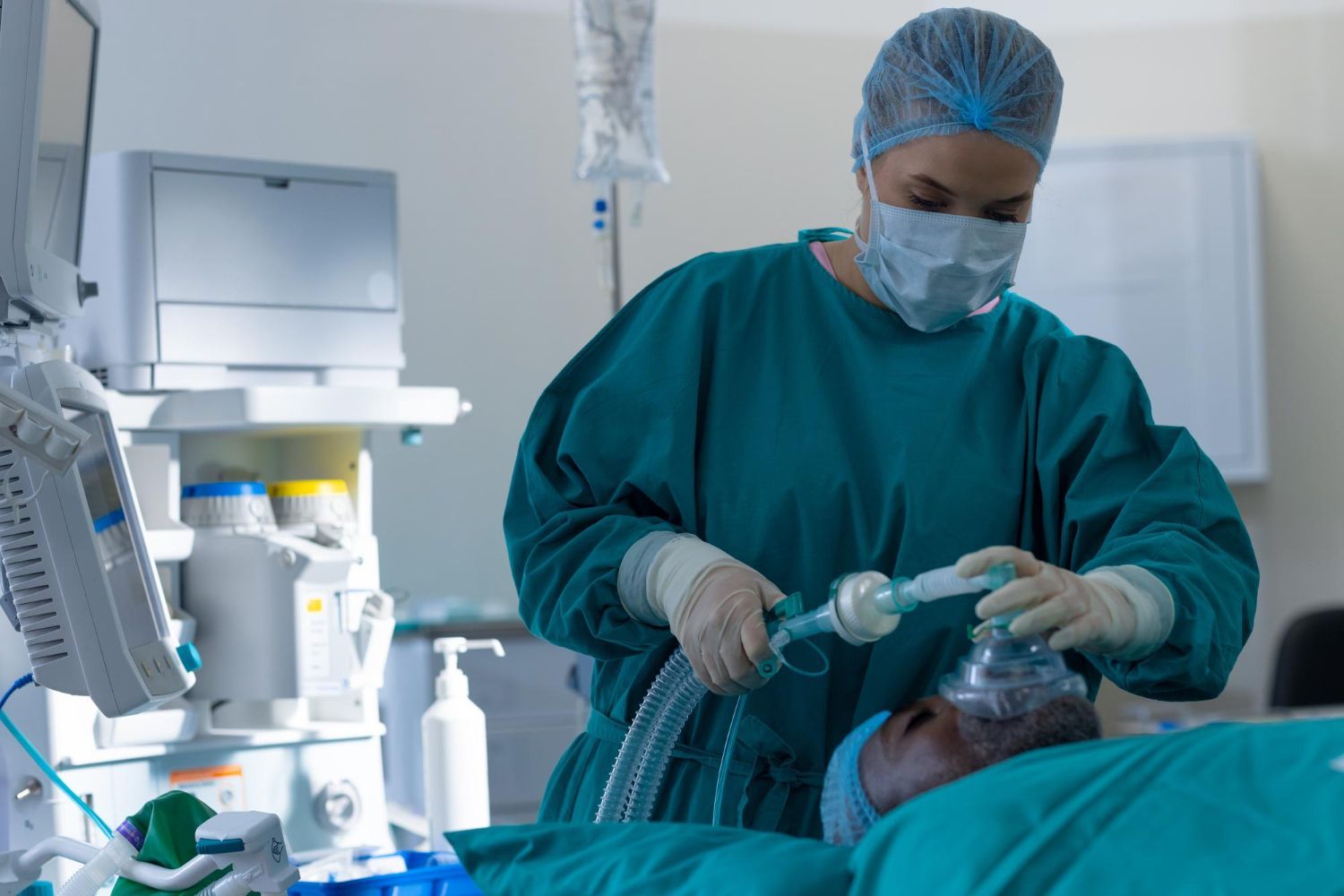

Why theatre recovery nurses are critical to post operative patient safety
The moments immediately following surgery are some of the most critical in a patient’s care journey. While much attention is given to the operating theatre itself, the recovery phase plays an equally vital role in determining patient outcomes. Theatre recovery nurses, often working in post anaesthesia care units, are responsible for monitoring patients as they transition from anaesthesia to stability. Across Australia, the expertise of recovery nurses is essential to post operative safety, comfort and continuity of care.
Dispatch Nursing Agency understands that recovery nursing is not an extension of theatre work but a specialised discipline requiring advanced skills, vigilance and clinical judgement.
The recovery phase as a high risk period
Post operative recovery is a high risk phase because patients are emerging from anaesthesia and may experience rapid physiological changes. Airway compromise, respiratory depression, haemodynamic instability, pain and nausea can occur suddenly and require immediate response.
Recovery nurses must continuously assess patients and intervene promptly. Their role is to identify early warning signs before complications escalate. This requires a deep understanding of anaesthetic effects, surgical impact and patient history.
Without skilled recovery nurses, post operative risks increase significantly.
Specialist skills required in recovery nursing
Theatre recovery nurses possess specialised skills that differ from those of scrub or scout nurses. They must manage airways, monitor vital signs closely and respond quickly to changes in patient condition.
Key competencies include:
- airway management and oxygen therapy
- pain assessment and management
- monitoring cardiovascular stability
- recognising adverse reactions to anaesthesia
- managing post operative nausea and vomiting
- clear communication with anaesthetists and surgeons
These skills are developed through experience and ongoing training. Recovery nursing demands confidence, precision and calm under pressure.
Ensuring safe transition from theatre to ward
Recovery nurses act as the bridge between surgery and ongoing care. They ensure that patients are stable and ready for transfer to wards or day surgery units.
This transition involves detailed assessment and accurate handover. Recovery nurses communicate essential information about the procedure, anaesthetic course, pain management and any concerns that require monitoring.
Effective handover reduces the risk of missed information and supports continuity of care beyond the recovery area.
Managing patient comfort and reassurance
Post operative recovery is often accompanied by confusion, discomfort or anxiety. Recovery nurses provide reassurance and emotional support during this vulnerable period.
By explaining what patients are experiencing and responding to discomfort promptly, recovery nurses help reduce distress. This compassionate care contributes to better patient experiences and can influence overall satisfaction with surgical services.
Comfort and safety are closely linked. When patients feel supported, recovery is smoother and more controlled.
Reducing complications and adverse events
Many post operative complications can be prevented or minimised through early detection. Recovery nurses are trained to recognise subtle changes that may indicate deterioration.
Early intervention can prevent escalation of issues such as respiratory compromise or uncontrolled pain. This proactive approach protects patients and reduces the likelihood of unplanned returns to theatre or extended hospital stays.
The presence of skilled recovery nurses directly contributes to improved clinical outcomes.
The impact on surgical efficiency
Recovery nursing also influences theatre efficiency. When recovery areas are staffed appropriately, patient flow improves and surgical lists are less likely to be delayed.
Inadequate recovery staffing can create bottlenecks that impact the entire perioperative pathway. Skilled recovery nurses help ensure that patients move through recovery safely and efficiently, supporting overall theatre operations.
Hospitals rely on recovery nurses to maintain momentum and minimise disruptions.
Why specialist recovery staffing matters
Not all nursing staff are suited to recovery roles. The complexity and risk associated with post operative care require nurses with specific experience and training.
Specialist staffing ensures that recovery areas are supported by nurses who understand the demands of the role. This reduces reliance on ad hoc staffing and enhances safety.
Dispatch Nursing Agency specialises in supplying experienced theatre recovery nurses who are prepared to work in high acuity environments.
Supporting permanent teams through agency recovery nurses
Staffing shortages or increased surgical demand can place pressure on permanent recovery teams. Agency recovery nurses provide essential support during peak periods, leave coverage or service expansion.
When agency nurses are appropriately skilled, they integrate seamlessly and maintain care standards. This support protects patient safety while reducing workload pressure on permanent staff.
How Dispatch Nursing Agency supports recovery nursing excellence
Dispatch Nursing Agency focuses on sourcing and placing recovery nurses with proven experience and clinical competence. We understand the importance of matching nurses to recovery environments where their skills can be used effectively.
By providing specialist recovery nurses, we support hospitals in maintaining high standards of post operative care, even during staffing challenges.
Conclusion
Theatre recovery nurses play a critical role in post operative patient safety. Their specialised skills, vigilance and ability to respond quickly to change protect patients during one of the most vulnerable phases of care. From managing airways to ensuring safe transfer and comfort, recovery nurses are central to positive surgical outcomes.
Dispatch Nursing Agency is committed to supporting hospitals with skilled recovery nurses who uphold safety, quality and professionalism. By prioritising specialist recovery staffing, healthcare providers can strengthen patient care and ensure safer surgical journeys for every patient.